Category: Uncategorized

  • if only robots work everyday what does everybody do everyday

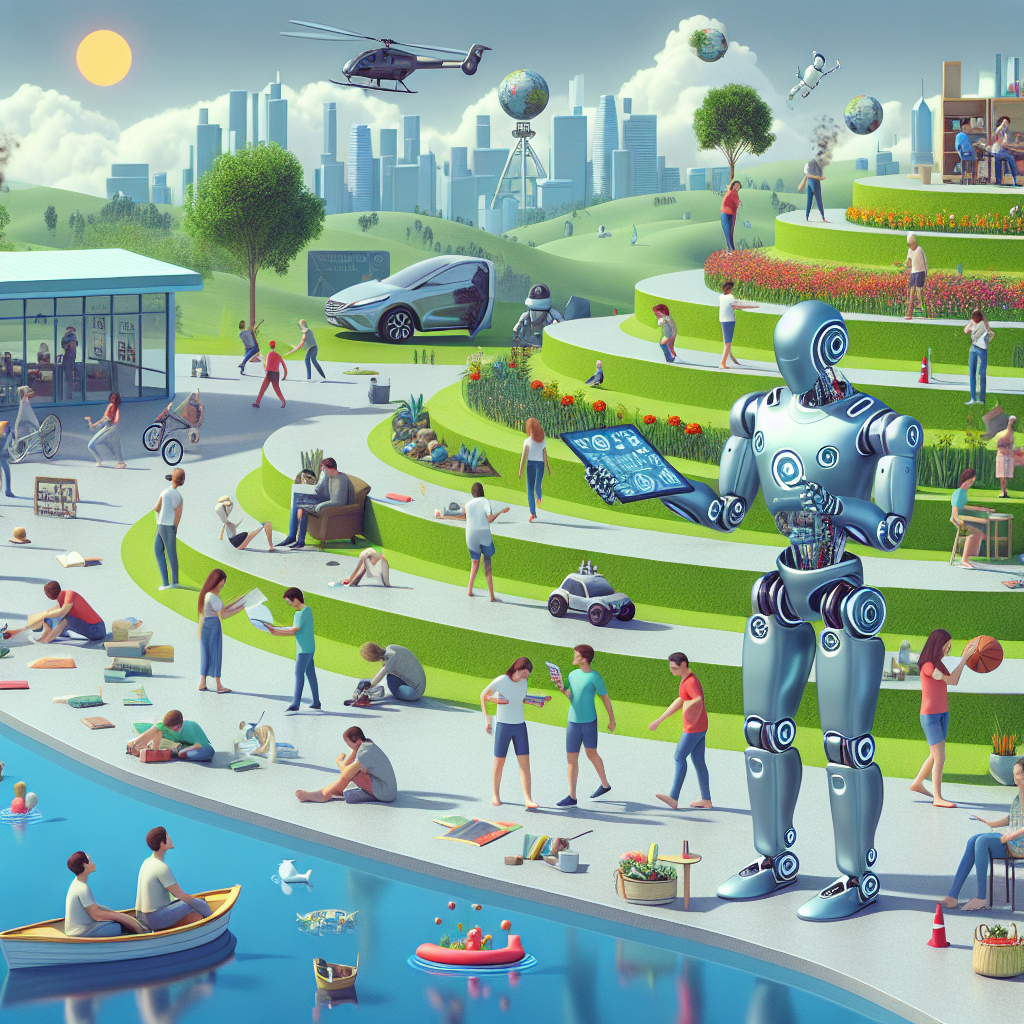
    if only robots work everyday what does everybody do everyday

    “Efficiency at its finest – let the robots work while you enjoy life.”

    Introduction

    If only robots worked every day, it would drastically change the daily routine of humans. Without the need for human labor, people would have more free time to pursue other activities and interests. However, this scenario also raises questions about the purpose and value of work in our society. In this essay, we will explore the potential implications of a world where robots are the primary workforce and what it could mean for the daily lives of individuals.

    The Impact of Robots on the Job Market: How Will Humans Adapt?

    In today’s world, technology is advancing at an unprecedented rate. One of the most significant advancements is the development of robots. These machines are becoming increasingly prevalent in various industries, from manufacturing to healthcare. With their ability to perform tasks efficiently and accurately, many fear that robots will replace human workers, leading to a significant impact on the job market. This raises the question: if only robots work every day, what will humans do?

    The rise of robots in the job market has been a topic of debate for many years. Some argue that robots will lead to job loss and unemployment, while others believe that they will create new job opportunities. The truth lies somewhere in between. While robots may replace some jobs, they will also create new ones, and humans will have to adapt to this changing job market.

    One of the most significant impacts of robots on the job market is the automation of tasks. With their advanced technology and programming, robots can perform tasks that were previously done by humans. This includes repetitive and physically demanding tasks, such as assembly line work and heavy lifting. As a result, many low-skilled jobs may be replaced by robots, leading to job loss for those who are not able to adapt to new roles.

    However, this does not mean that humans will be completely replaced by robots. There are certain tasks that robots cannot perform, such as critical thinking, creativity, and emotional intelligence. These skills are essential in many industries, including healthcare, education, and customer service. Therefore, as robots take over routine tasks, humans will have to focus on developing and utilizing their unique skills to stay relevant in the job market.

    Moreover, the rise of robots will also create new job opportunities. As robots become more prevalent, there will be a need for technicians, engineers, and programmers to design, build, and maintain them. These jobs will require specialized skills and knowledge, and humans will have to adapt and acquire these skills to stay employable. Additionally, there will be a demand for workers who can collaborate and work alongside robots, such as robot trainers and supervisors.

    Another impact of robots on the job market is the shift towards a gig economy. With the rise of robots, there will be a decrease in traditional full-time jobs, and more people will turn to freelance and contract work. This will allow individuals to have more flexibility and control over their work, but it also means that they will have to constantly adapt to new projects and industries. As a result, there will be a need for continuous learning and upskilling to stay competitive in the job market.

    Furthermore, the rise of robots will also lead to changes in the education system. As the job market evolves, the skills and knowledge required for various jobs will also change. Therefore, the education system will have to adapt to prepare students for the future job market. This may include incorporating courses on robotics, coding, and other emerging technologies. Additionally, there will be a need for lifelong learning to keep up with the ever-changing job market.

    In conclusion, the impact of robots on the job market is inevitable. While they may replace some jobs, they will also create new ones. Humans will have to adapt and acquire new skills to stay relevant in the job market. The rise of robots will also lead to changes in the way we work, with a shift towards a gig economy and a need for continuous learning. It is essential for individuals, businesses, and governments to prepare for this changing job market and embrace the opportunities that come with it.

    The Rise of Automation: Exploring the Future of Work and Leisure

    if only robots work everyday what does everybody do everyday
    In today’s fast-paced world, technology has become an integral part of our daily lives. From smartphones to self-driving cars, we are constantly surrounded by machines that make our lives easier and more efficient. One of the most significant advancements in technology is the rise of automation, where machines and robots are taking over tasks that were once performed by humans. This has led to a lot of speculation about the future of work and leisure, as more and more jobs become automated. If robots work every day, what does everybody else do?

    The rise of automation has been a gradual process, with the first automated machines being introduced in the manufacturing industry in the late 20th century. These machines were designed to perform repetitive and physically demanding tasks, freeing up human workers to focus on more complex and creative tasks. However, with the rapid advancements in technology, automation has now expanded to various industries, including healthcare, transportation, and even customer service.

    One of the main concerns about the rise of automation is the potential loss of jobs. As machines become more advanced and efficient, they are able to perform tasks that were once thought to be exclusive to humans. This has led to fears that automation will lead to widespread unemployment and a decrease in the need for human workers. While this may be true to some extent, experts argue that automation will also create new job opportunities in fields such as robotics, programming, and maintenance.

    Moreover, automation is not just limited to physical tasks. With the development of artificial intelligence (AI), machines are now able to perform cognitive tasks as well. This has led to the automation of jobs in fields such as data analysis, customer service, and even journalism. While this may seem like a threat to human workers, it also presents an opportunity for them to upskill and adapt to the changing job market. As machines take over routine and mundane tasks, humans can focus on developing skills that are uniquely human, such as creativity, critical thinking, and emotional intelligence.

    Another aspect to consider is the impact of automation on leisure time. With machines taking over a significant portion of work, it is expected that humans will have more free time on their hands. This raises the question, what will people do with all this extra time? Some argue that automation will lead to a decrease in the traditional 40-hour workweek, allowing people to spend more time with their families, pursue hobbies, and engage in leisure activities. However, others argue that automation may lead to a decrease in wages, making it difficult for people to afford leisure activities.

    Furthermore, the rise of automation also brings up ethical concerns. As machines become more advanced and take on more complex tasks, questions arise about their decision-making abilities and potential biases. For example, if an AI-powered machine is responsible for hiring employees, will it be programmed to discriminate against certain groups? These ethical concerns need to be addressed as automation continues to expand into various industries.

    In conclusion, the rise of automation is a complex and multifaceted issue that will have a significant impact on the future of work and leisure. While it may lead to job loss in some industries, it also presents opportunities for humans to upskill and focus on tasks that require uniquely human abilities. It is essential for society to address the potential consequences of automation and work towards creating a balance between machines and humans in the workforce. Only then can we truly embrace the benefits of automation while mitigating its potential drawbacks.

    The Social and Psychological Effects of a Robot-Run Society

    In today’s world, technology has advanced at an unprecedented rate, and with it, the rise of robots and artificial intelligence has become a reality. While this has brought about many benefits and advancements in various industries, it has also raised concerns about the potential consequences of a society where robots are the primary workforce. One of the most significant questions that arise is, “If only robots work every day, what does everybody do every day?” This article will explore the social and psychological effects of a robot-run society.

    Firstly, the widespread use of robots in the workforce would undoubtedly lead to a significant decrease in the number of jobs available for humans. With machines being more efficient, precise, and tireless, they would be the preferred choice for employers. This would result in a large portion of the population being unemployed, leading to economic and social issues. The loss of jobs would also mean a loss of income, which could lead to poverty and a decline in the standard of living for many individuals and families.

    Moreover, the psychological impact of unemployment can be severe. Work provides a sense of purpose, identity, and fulfillment for many people. Without it, individuals may struggle to find meaning in their lives, leading to feelings of worthlessness and depression. The lack of social interaction and daily routine that comes with a job can also have detrimental effects on mental health. In a society where robots are the primary workforce, the loss of jobs could have a significant impact on the overall well-being of individuals.

    Furthermore, the rise of robots in the workforce could also lead to a widening gap between the rich and the poor. With the majority of jobs being taken over by machines, those who own and control these robots would become even wealthier, while the rest of the population would struggle to make ends meet. This could result in increased social and economic inequality, leading to social unrest and a breakdown of societal norms.

    In addition to the economic and psychological effects, a robot-run society could also have a significant impact on social dynamics. With machines taking over jobs that were previously done by humans, there would be a decrease in the need for human interaction. This could lead to a decline in social skills and the breakdown of traditional social structures. The lack of face-to-face communication and the reliance on technology for daily tasks could also lead to a decrease in empathy and emotional intelligence.

    Moreover, the use of robots in the workforce could also have a profound effect on the education system. With machines being able to perform tasks more efficiently and accurately, the need for human workers with specialized skills would decrease. This could result in a shift in the focus of education towards teaching individuals how to work with and program robots, rather than developing unique skills and talents. This could limit the potential for creativity and innovation in society.

    On the other hand, some argue that a robot-run society could bring about positive changes. With machines taking over mundane and repetitive tasks, humans would have more time to focus on leisure activities and pursue their passions. This could lead to a more fulfilled and well-rounded society. Additionally, the use of robots in dangerous and hazardous jobs could also lead to a decrease in workplace injuries and fatalities.

    In conclusion, the widespread use of robots in the workforce would undoubtedly have significant social and psychological effects on society. While it could bring about positive changes, such as increased leisure time and safety, it could also lead to economic and social issues, as well as a decline in social skills and traditional social structures. As technology continues to advance, it is crucial to consider the potential consequences of a robot-run society and find ways to mitigate any negative effects.

  • if you were a billionaire where will you live

    if you were a billionaire where will you live

    “Living the high life in my billionaire’s paradise.”

    Introduction

    Deals For Today Amazon at Amazon

    If I were a billionaire, I would have the means to live anywhere in the world. I would likely choose to live in a place that offers a combination of luxury, comfort, and natural beauty. Some potential locations that come to mind are a private island in the Caribbean, a penthouse in a bustling city like New York or London, or a sprawling estate in the countryside of France or Italy. Ultimately, my decision would depend on my personal preferences and the lifestyle I want to lead as a billionaire.

    Luxurious Mansions: The Top Billionaire Neighborhoods Around the World

    As the saying goes, “money can’t buy happiness,” but it can certainly buy a luxurious lifestyle. For billionaires, this means owning extravagant mansions in some of the most exclusive and sought-after neighborhoods around the world. These neighborhoods not only offer opulent homes but also provide a sense of prestige and status for those who call them home. So, if you were a billionaire, where would you choose to live? Let’s take a look at some of the top billionaire neighborhoods around the world.

    First on the list is the prestigious neighborhood of Bel Air in Los Angeles, California. This neighborhood is known for its sprawling mansions, stunning views, and celebrity residents. It’s no surprise that many billionaires, including Elon Musk and Jeff Bezos, have chosen to call Bel Air home. The average home price in this neighborhood is a staggering $17 million, with some properties reaching upwards of $100 million. With its close proximity to Hollywood and luxurious amenities, Bel Air is a top choice for billionaires looking for the ultimate in luxury living.

    Next up is the exclusive neighborhood of Kensington in London, England. This neighborhood is home to some of the most expensive properties in the world, with an average home price of $35 million. It’s no wonder that billionaires like Roman Abramovich and Lakshmi Mittal have chosen to make Kensington their home. This neighborhood offers a mix of historic and modern architecture, as well as easy access to high-end shopping and dining. It’s also a short distance from Buckingham Palace, making it a prime location for those seeking a royal lifestyle.

    Moving over to the east, we have the ultra-exclusive neighborhood of The Peak in Hong Kong. This neighborhood is situated on the highest point of Hong Kong Island, offering breathtaking views of the city and the harbor. The Peak is home to some of the most expensive properties in Asia, with an average home price of $45 million. It’s a popular choice for billionaires, including Li Ka-shing and Joseph Lau, due to its privacy, security, and luxurious amenities. The Peak also boasts a prestigious country club and is a short distance from top-rated international schools, making it an ideal location for families.

    Heading down to the southern hemisphere, we have the affluent neighborhood of Toorak in Melbourne, Australia. This neighborhood is known for its grand mansions, lush gardens, and tree-lined streets. It’s a popular choice for billionaires, including James Packer and Lindsay Fox, due to its exclusivity and privacy. The average home price in Toorak is $8 million, with some properties reaching upwards of $20 million. This neighborhood also offers easy access to high-end shopping and dining, as well as top-rated private schools.

    Last but certainly not least, we have the luxurious neighborhood of La Moraleja in Madrid, Spain. This neighborhood is known for its gated communities, high-end properties, and beautiful landscapes. It’s a popular choice for billionaires, including Amancio Ortega and Rafael del Pino, due to its security and privacy. The average home price in La Moraleja is $10 million, with some properties reaching upwards of $30 million. This neighborhood also offers a prestigious golf club and is a short distance from the city center, making it a perfect blend of luxury and convenience.

    In conclusion, if you were a billionaire, the world would be your oyster when it comes to choosing a place to call home. From the glitz and glamour of Bel Air to the privacy and security of La Moraleja, these top billionaire neighborhoods offer the ultimate in luxury living. Whether it’s the stunning views, exclusive amenities, or prestigious neighbors, these neighborhoods have it all. So, if you were a billionaire, where would you choose to live? The possibilities are endless.

    Island Living: The Ultimate Billionaire Retreats for Privacy and Seclusion

    if you were a billionaire where will you live
    As a billionaire, the world is your oyster. You have the means to live anywhere you desire, and for many, that means seeking out the ultimate retreat for privacy and seclusion. While there are countless luxurious options available, one type of living that has become increasingly popular among the ultra-wealthy is island living. With their pristine beaches, crystal-clear waters, and exclusive communities, islands offer the perfect escape from the hustle and bustle of everyday life. In this article, we will explore some of the top island destinations for billionaires looking for the ultimate retreat.

    One of the most sought-after destinations for billionaires is the Caribbean. With its warm climate, stunning beaches, and laid-back lifestyle, it’s no wonder that many choose to call this region home. The Caribbean is home to several exclusive islands, such as St. Barts, Mustique, and Necker Island, which are known for their luxurious villas and high-end amenities. These islands offer the perfect balance of privacy and luxury, making them the ideal retreat for billionaires.

    Another popular destination for billionaires is the Maldives. This archipelago in the Indian Ocean is known for its overwater villas, private beaches, and crystal-clear waters. The Maldives is a popular choice for those seeking a secluded and tranquil escape, as many of the islands are only accessible by seaplane or boat. This adds to the exclusivity and privacy of the destination, making it a top choice for billionaires.

    For those looking for a more exotic and remote location, Fiji is a top contender. This South Pacific island nation is made up of over 300 islands, each offering its own unique charm and beauty. Many of these islands are privately owned and offer luxurious accommodations, making them the perfect retreat for billionaires seeking privacy and seclusion. The stunning natural landscapes, including white sandy beaches and turquoise waters, make Fiji a paradise for those looking to escape the stresses of everyday life.

    Moving to the other side of the world, we have the Seychelles, an archipelago in the Indian Ocean off the coast of East Africa. This destination is known for its untouched natural beauty, with lush rainforests, granite boulders, and secluded beaches. The Seychelles is home to some of the most exclusive and luxurious resorts in the world, making it a top choice for billionaires seeking a private and secluded retreat.

    For those looking for a more European feel, the Greek islands offer a unique blend of luxury and seclusion. With over 6,000 islands to choose from, there is no shortage of options for billionaires seeking the ultimate retreat. The islands of Mykonos and Santorini are particularly popular among the ultra-wealthy, with their picturesque white-washed buildings, stunning beaches, and high-end resorts. These islands offer the perfect combination of privacy and luxury, making them a top choice for billionaires.

    Last but certainly not least, we have the Hawaiian islands. This tropical paradise in the middle of the Pacific Ocean is a popular choice for billionaires seeking a private and secluded retreat. The islands offer a diverse range of landscapes, from lush rainforests to volcanic mountains, and are home to some of the most luxurious resorts in the world. With its laid-back lifestyle and stunning natural beauty, it’s no wonder that many billionaires choose to call Hawaii home.

    In conclusion, as a billionaire, the world is your playground, and you have the means to live anywhere you desire. For many, this means seeking out the ultimate retreat for privacy and seclusion, and island living offers just that. From the Caribbean to the Maldives, Fiji to the Seychelles, and the Greek islands to Hawaii, there is no shortage of luxurious and exclusive options for billionaires seeking the ultimate retreat. So, if you were a billionaire, where would you choose to live? The possibilities are endless.

    City vs. Countryside: Choosing the Perfect Location for Your Billionaire Lifestyle

    As a billionaire, the world is your oyster. You have the financial means to live anywhere you desire, whether it be a bustling city or a serene countryside. But with so many options available, how do you choose the perfect location for your billionaire lifestyle? In this article, we will explore the pros and cons of living in a city versus the countryside, and help you make an informed decision on where to call home.

    Let’s start with the city. As a billionaire, you are used to the fast-paced lifestyle and the hustle and bustle of city living. The city offers endless opportunities for entertainment, fine dining, and luxury shopping. You can easily access all the amenities and services you need, from private clubs to exclusive events. The city is also a hub for business and networking, making it an ideal location for entrepreneurs and investors.

    However, with all its glitz and glamour, city living comes with a hefty price tag. The cost of living in a city is significantly higher than in the countryside. From housing to groceries, everything comes at a premium. As a billionaire, this may not be a major concern, but it is something to consider if you want to maintain your wealth and live a financially responsible lifestyle.

    Another downside of city living is the lack of space. Most cities are densely populated, and finding a spacious and private residence can be a challenge. As a billionaire, you may want a large estate with ample land for privacy and security. This may not be possible in a city, where space is limited and highly sought after.

    On the other hand, the countryside offers a completely different lifestyle. It is a peaceful and tranquil escape from the chaos of the city. As a billionaire, you can afford to purchase a large estate in the countryside, complete with all the amenities and luxuries you desire. You can have your own private oasis, away from the prying eyes of the public.

    Living in the countryside also allows you to connect with nature. You can have vast gardens, private lakes, and even your own farm. This can be a refreshing change from the concrete jungle of the city. The countryside also offers a sense of community and a slower pace of life. You can build relationships with your neighbors and become a part of a close-knit community.

    However, living in the countryside also has its drawbacks. The lack of amenities and services can be a major inconvenience. You may have to travel long distances to access high-end restaurants, luxury shopping, or even basic necessities. This can be a challenge, especially if you are used to the convenience of city living.

    Another factor to consider is the potential for isolation. As a billionaire, you may have a busy schedule and may not have the time to socialize with your neighbors. This can lead to a sense of loneliness and isolation, which may not be ideal for your mental well-being.

    In conclusion, choosing between city living and countryside living ultimately depends on your personal preferences and lifestyle. As a billionaire, you have the means to create your dream home in either location. It is important to weigh the pros and cons of each option and consider what is most important to you. Whether it be the convenience and excitement of the city or the peace and privacy of the countryside, the choice is yours.

  • the disadvantages of marrying someone from a different race

    “Love knows no boundaries, but marriage may face challenges when cultures collide.”

    Introduction

    Marrying someone from a different race can bring about a variety of challenges and difficulties that may not be present in a same-race marriage. While interracial marriages have become more common and accepted in many societies, there are still some disadvantages that couples may face. These can include cultural differences, societal pressures, and family disapproval. In this essay, we will explore the potential drawbacks of marrying someone from a different race and how they can impact a relationship.

    Cultural Differences: Marrying someone from a different race means merging two different cultures together. This can lead to conflicts and misunderstandings, as each person may have different beliefs, values, and traditions. It can be challenging to navigate and compromise on these differences, which can cause strain on the relationship

    Marrying someone from a different race can be a beautiful and enriching experience, as it allows individuals to learn and appreciate different cultures. However, it also comes with its own set of challenges and disadvantages. One of the main challenges is navigating and merging two different cultures together. This can lead to conflicts and misunderstandings, as each person may have different beliefs, values, and traditions.

    One of the biggest disadvantages of marrying someone from a different race is the potential for cultural clashes. Each person brings their own set of cultural norms and expectations into the relationship, which can be vastly different from their partner’s. For example, one person may come from a culture that values individualism and independence, while the other may come from a culture that prioritizes collectivism and family ties. These differences can lead to disagreements and misunderstandings, as each person may have a different understanding of what is considered acceptable behavior.

    Moreover, cultural differences can also extend to communication styles. In some cultures, direct communication is valued, while in others, indirect communication is preferred. This can lead to misunderstandings and hurt feelings if one person feels that their partner is being too blunt or not expressing themselves clearly. It takes time and effort to understand and adapt to each other’s communication styles, which can be a source of frustration and tension in the relationship.

    Another disadvantage of marrying someone from a different race is the potential for disapproval and discrimination from society. Despite living in a more diverse and accepting world, interracial couples still face discrimination and prejudice from others. This can come from family members, friends, or even strangers. It can be emotionally draining and put a strain on the relationship, as the couple may feel like they constantly have to defend their love and relationship.

    Furthermore, marrying someone from a different race can also mean facing challenges when it comes to raising children. Children of interracial couples may struggle with their identity and sense of belonging, as they may not fully fit into either of their parents’ cultures. They may also face discrimination and confusion from others who may not understand their mixed heritage. It is important for parents to be aware of these challenges and provide a supportive and nurturing environment for their children to navigate their identity.

    In addition to these challenges, there may also be practical considerations when marrying someone from a different race. This can include differences in religious beliefs, dietary restrictions, and even language barriers. These differences can make it difficult to plan and navigate daily life, from deciding on meals to celebrating holidays. It takes patience, understanding, and compromise to find a balance that works for both individuals.

    In conclusion, while marrying someone from a different race can bring many benefits, it also comes with its own set of challenges and disadvantages. Navigating and merging two different cultures together can be a source of conflict and misunderstandings. It can also lead to disapproval and discrimination from society, as well as challenges in raising children and practical considerations in daily life. However, with open communication, understanding, and a willingness to compromise, these challenges can be overcome, and a strong and loving relationship can be built.

    Family Acceptance: In some cultures, marrying someone from a different race may not be accepted by family members. This can create tension and strain on the relationship, as the couple may feel pressure to choose between their partner and their family. It can also lead to feelings of isolation and exclusion from family events and gatherings

    the disadvantages of marrying someone from a different race
    Marrying someone from a different race can be a beautiful and enriching experience, as it allows individuals to learn about and embrace different cultures. However, like any relationship, there are also challenges that come with it. One of the biggest disadvantages of marrying someone from a different race is the potential lack of family acceptance.

    In many cultures, family plays a significant role in an individual’s life, and their approval and support are highly valued. When a person decides to marry someone from a different race, it can be met with resistance and disapproval from their family members. This can be due to deeply ingrained cultural and societal norms, fear of the unknown, or even prejudice.

    The lack of family acceptance can create tension and strain on the relationship. The couple may feel pressure to choose between their partner and their family, which can be a difficult and heartbreaking decision. This can lead to feelings of guilt, resentment, and even a sense of betrayal towards their family or partner.

    Moreover, the lack of family acceptance can also result in the couple feeling isolated and excluded from family events and gatherings. This can be especially challenging during important occasions such as weddings, holidays, and family reunions. The couple may feel like they do not belong or are not fully accepted by their partner’s family, which can be emotionally taxing.

    Another disadvantage of marrying someone from a different race is the potential cultural differences and clashes that may arise. Even if the couple is deeply in love, they may come from different backgrounds and have different beliefs, traditions, and values. These differences can lead to conflicts and misunderstandings, especially when it comes to important decisions such as raising children or managing finances.

    Furthermore, the couple may also face discrimination and prejudice from society. Despite the progress made towards racial equality, interracial couples still face discrimination and judgment from others. This can be in the form of hurtful comments, stares, or even physical violence. Such experiences can take a toll on the couple’s mental and emotional well-being, and it can be challenging to navigate through them without the support of family and friends.

    In some cases, the lack of family acceptance can also have legal implications. For example, if the couple decides to live in a country where interracial marriage is not legal, they may face legal challenges and restrictions. This can make it difficult for the couple to build a life together and can add additional stress to their relationship.

    It is essential to acknowledge that the lack of family acceptance is not always the case in interracial marriages. Many families are open-minded and accepting of their children’s partners, regardless of their race. However, it is crucial to be aware of the potential challenges and disadvantages that may arise and to have open and honest communication with both your partner and your family.

    In conclusion, while marrying someone from a different race can bring many benefits, it also comes with its own set of challenges. The lack of family acceptance can create tension and strain on the relationship, lead to feelings of isolation and exclusion, and even result in legal implications. It is essential to have open and honest communication with your partner and family, and to be prepared to face any potential challenges together. Ultimately, love knows no boundaries, and with understanding, respect, and support, interracial marriages can thrive despite the disadvantages.

    Social Stigma: Unfortunately, there is still a social stigma attached to interracial marriages in some societies. This can result in discrimination, prejudice, and even harassment towards the couple. It can also make it difficult for the couple to find acceptance and support from their community, which can put a strain on their relationship

    Interracial marriages have become more common in recent years, with people from different races and cultures falling in love and deciding to spend their lives together. While this is a beautiful thing, it is not without its challenges. One of the biggest challenges faced by interracial couples is the social stigma that still exists in some societies. This stigma can have a negative impact on the couple’s relationship and their overall well-being.

    One of the main disadvantages of marrying someone from a different race is the discrimination and prejudice that the couple may face. Despite progress towards equality and acceptance, there are still people who hold onto outdated and narrow-minded views about interracial relationships. This can manifest in various forms, from disapproving looks and comments to outright harassment and discrimination. Such negative attitudes can take a toll on the couple’s mental health and cause them to feel isolated and ostracized.

    Moreover, the social stigma attached to interracial marriages can also make it difficult for the couple to find acceptance and support from their community. In some cases, family members may disapprove of the relationship, leading to strained relationships and even disownment. This lack of support from loved ones can be emotionally draining for the couple and can create a rift between them and their families. It can also make it challenging for the couple to build a strong support system, which is crucial for a healthy and happy marriage.

    Another disadvantage of marrying someone from a different race is the cultural differences that may arise. While diversity can enrich a relationship, it can also lead to misunderstandings and conflicts. Each person brings their own cultural background, traditions, and beliefs into the relationship, which can clash with their partner’s. This can create tension and make it challenging for the couple to navigate their differences. It may also require them to compromise on certain aspects of their culture, which can be difficult and may lead to feelings of resentment.

    Furthermore, interracial marriages may face challenges when it comes to raising children. Children from interracial marriages may struggle with their identity and face discrimination from both sides of their heritage. They may also feel pressure to choose one race over the other, which can be confusing and emotionally taxing. Additionally, the couple may have to navigate how to raise their children with a blend of both cultures, which can be a delicate balance.

    In some cases, marrying someone from a different race can also lead to a loss of cultural identity. When one partner’s culture is dominant in the relationship, the other may feel like they are losing a part of themselves. This can be especially challenging if the couple lives in a society where their partner’s culture is not widely accepted. It can lead to feelings of isolation and a sense of not belonging anywhere.

    In conclusion, while interracial marriages can be beautiful and fulfilling, they are not without their challenges. The social stigma attached to these relationships can result in discrimination, prejudice, and difficulties in finding acceptance and support from the community. It can also lead to cultural differences, challenges in raising children, and a loss of cultural identity. However, with open communication, understanding, and a strong commitment to each other, these challenges can be overcome, and the couple can build a strong and loving relationship.

  • disadvantages of living in Mars

    disadvantages of living in Mars

    “Life on Mars: A challenging and isolated existence.”

    Introduction

    Living on Mars may seem like a dream for some, with its potential for exploration and discovery. However, there are also several disadvantages that come with the idea of colonizing and permanently living on the red planet. These challenges range from the harsh environment and lack of resources to the physical and psychological effects on human beings. In this essay, we will explore the various disadvantages of living on Mars and the potential obstacles that may arise in the process.

    Limited Resources: Mars is a barren planet with a harsh environment, making it difficult for humans to survive. The lack of natural resources such as water, oxygen, and food would make it challenging to sustain life on Mars

    Mars has long been a subject of fascination for humans, with its red surface and potential for extraterrestrial life. In recent years, there has been a growing interest in the idea of colonizing Mars and making it a second home for humanity. However, while the idea of living on another planet may seem exciting, there are several disadvantages to consider, particularly when it comes to limited resources.

    One of the biggest challenges of living on Mars is the lack of natural resources. Unlike Earth, Mars does not have an abundance of water, oxygen, or food. Water is essential for human survival, and without it, life on Mars would be impossible. While there is evidence of water on Mars, it is mostly in the form of ice, making it difficult to access and use for daily needs. This means that colonizers would have to find alternative ways to obtain and purify water, which would be a costly and time-consuming process.

    Another critical resource that is scarce on Mars is oxygen. The Martian atmosphere is made up of mostly carbon dioxide, which is not suitable for humans to breathe. This means that colonizers would have to rely on artificial means to produce oxygen, such as using oxygen generators or plants. However, these methods would require a constant supply of resources and energy, which may not be sustainable in the long run.

    Food is another essential resource that would be limited on Mars. The planet’s harsh environment and lack of fertile soil make it challenging to grow crops. While there have been experiments with growing plants on Mars, it is still a relatively new and untested concept. Additionally, the limited resources and extreme conditions on Mars would make it difficult to sustain a diverse and nutritious diet. This could lead to health issues and a lower quality of life for colonizers.

    Apart from the scarcity of resources, living on Mars also poses several other challenges. The planet’s thin atmosphere offers little protection from harmful radiation, which could have severe consequences for human health. The extreme temperatures, ranging from -225°F to 70°F, would also make it challenging to maintain a comfortable living environment. This would require advanced technology and resources to regulate temperature and protect against radiation, adding to the already limited resources available on Mars.

    Moreover, the distance between Earth and Mars would also pose a significant disadvantage for colonizers. It takes an average of 7 months to travel from Earth to Mars, making it difficult to transport essential resources and supplies. This means that colonizers would have to rely on what they bring with them or find ways to produce resources on Mars, which would be a daunting task.

    In addition to the challenges of limited resources, living on Mars would also have a significant impact on mental health. The isolation and confinement of living on a barren planet, away from family and friends, could have adverse effects on the psychological well-being of colonizers. The lack of a natural environment and the constant struggle to survive in a harsh environment could lead to feelings of loneliness, depression, and anxiety.

    In conclusion, while the idea of living on Mars may seem exciting, it is essential to consider the disadvantages, particularly when it comes to limited resources. The lack of water, oxygen, and food, along with other challenges such as extreme temperatures and radiation, would make it difficult to sustain life on the red planet. While advancements in technology may make it possible to overcome some of these challenges, it is crucial to carefully consider the feasibility and sustainability of colonizing Mars before embarking on such a monumental journey.

    Extreme Weather Conditions: Mars experiences extreme weather conditions, including dust storms, intense radiation, and extreme temperatures. These conditions can be harmful to human health and make it difficult to carry out daily activities

    disadvantages of living in Mars
    Mars, the fourth planet from the sun, has long been a subject of fascination for humans. With its red surface and potential for sustaining life, it has captured the imagination of scientists and space enthusiasts alike. However, as we continue to explore the possibility of living on Mars, it is important to also consider the potential disadvantages of such a move. One major factor that cannot be ignored is the extreme weather conditions on Mars.

    Unlike Earth, which has a relatively stable climate, Mars experiences extreme weather conditions that can be quite challenging for humans. One of the most notable weather phenomena on Mars is dust storms. These storms can cover the entire planet and last for months, with winds reaching speeds of up to 60 miles per hour. The dust particles in these storms are also much finer than those on Earth, making them more difficult to clean up and potentially harmful to human health.

    In addition to dust storms, Mars also has intense radiation levels. The planet’s thin atmosphere and lack of a protective magnetic field mean that the surface is bombarded with high levels of radiation from the sun. This radiation can be harmful to human health, causing DNA damage and increasing the risk of cancer. It also poses a challenge for any electronic equipment that humans would need to use on Mars, as it can cause malfunctions and damage.

    The extreme temperatures on Mars are also a major disadvantage for potential human inhabitants. The planet’s average temperature is around -80 degrees Fahrenheit, with temperatures dropping even lower at night. This extreme cold can make it difficult to carry out daily activities and can also be dangerous for humans, as it can lead to hypothermia and frostbite. On the other hand, during the summer months, temperatures can reach up to 70 degrees Fahrenheit, but this is still not warm enough to sustain human life without protective gear.

    Living on Mars would also mean dealing with a much longer day than we are used to on Earth. A day on Mars is approximately 24 hours and 39 minutes, which can disrupt our natural sleep patterns and make it difficult to adjust to a new daily routine. This could have a significant impact on our physical and mental well-being, as our bodies are accustomed to a 24-hour day.

    Another challenge of living on Mars is the lack of natural resources. Unlike Earth, which has an abundance of water, air, and other essential resources, Mars is a barren planet with limited resources. This means that humans would have to rely heavily on technology to create a sustainable living environment. However, this would also mean that any malfunction or breakdown of these systems could have dire consequences for the inhabitants of Mars.

    Furthermore, the isolation and distance from Earth could also have a negative impact on the mental health of those living on Mars. The long journey to and from the planet, as well as the limited communication with loved ones back on Earth, could lead to feelings of loneliness and isolation. This could be especially challenging for long-term missions, where humans would have to spend years on Mars without any physical contact with their families and friends.

    In conclusion, while the idea of living on Mars may seem exciting and adventurous, it is important to consider the potential disadvantages of such a move. The extreme weather conditions, including dust storms, intense radiation, and extreme temperatures, pose significant challenges for human health and daily activities. The lack of natural resources, longer days, and isolation from Earth are also factors that must be taken into account. As we continue to explore the possibility of living on Mars, it is crucial to carefully consider and address these challenges to ensure the safety and well-being of any potential inhabitants.

    Isolation and Distance: Living on Mars would mean being cut off from the rest of the world, with no possibility of returning to Earth in case of an emergency. This isolation and distance from loved ones and the rest of humanity can have a significant impact on mental health and well-being

    Living on Mars has been a topic of fascination for centuries, with many scientists and researchers envisioning it as the next step in human exploration and colonization. However, while the idea of living on another planet may seem exciting and adventurous, there are also several disadvantages that come with it. One of the most significant drawbacks of living on Mars is the isolation and distance from the rest of the world.

    The distance between Earth and Mars varies depending on their positions in their respective orbits, but on average, it takes about 9 months to travel from one planet to the other. This means that once a person sets foot on Mars, they are essentially cut off from the rest of humanity. Unlike living on Earth, where one can easily hop on a plane and travel to another country, living on Mars would mean being confined to the planet for an extended period.

    This isolation can have a significant impact on mental health and well-being. Humans are social creatures, and being cut off from loved ones and the rest of society can lead to feelings of loneliness, depression, and anxiety. The lack of physical contact and communication with friends and family can take a toll on a person’s mental state, especially in times of crisis or emergencies.

    Moreover, living on Mars also means being completely dependent on the resources available on the planet. Unlike Earth, where there is an abundance of natural resources, Mars is a barren and desolate planet with limited resources. This means that any supplies or materials needed for survival would have to be sourced from the planet itself. In case of a shortage or depletion of resources, there would be no way to replenish them from Earth, making survival on Mars even more challenging.

    Another disadvantage of living on Mars is the lack of a suitable environment for human life. The planet’s atmosphere is mostly made up of carbon dioxide, which is toxic to humans. This means that living on Mars would require living in a controlled environment, such as a dome or underground habitat, to protect against the harsh conditions on the planet. This limited living space can also have a negative impact on mental health, as humans are used to living in open and spacious environments.

    Furthermore, the distance from Earth also means that any medical emergencies or accidents would have to be dealt with on the planet itself. Unlike on Earth, where there are advanced medical facilities and trained professionals readily available, living on Mars would mean relying on a limited number of medical supplies and the expertise of a small team of astronauts. This can be a significant disadvantage, as any serious medical condition or emergency would be challenging to handle without proper resources and support.

    In addition to the isolation and distance, living on Mars also means being exposed to high levels of radiation. Unlike Earth, which has a protective magnetic field, Mars has a thin atmosphere that offers little protection against harmful cosmic rays. This exposure to radiation can have severe health consequences, including an increased risk of cancer and other radiation-related illnesses.

    In conclusion, while the idea of living on Mars may seem exciting and groundbreaking, it is essential to consider the disadvantages that come with it. The isolation and distance from the rest of the world, limited resources, harsh living conditions, and exposure to radiation are all significant drawbacks that must be taken into account. While advancements in technology and research may make living on Mars a possibility in the future, it is crucial to carefully consider the potential consequences before embarking on such a journey.

  • artificial intelligence research lab

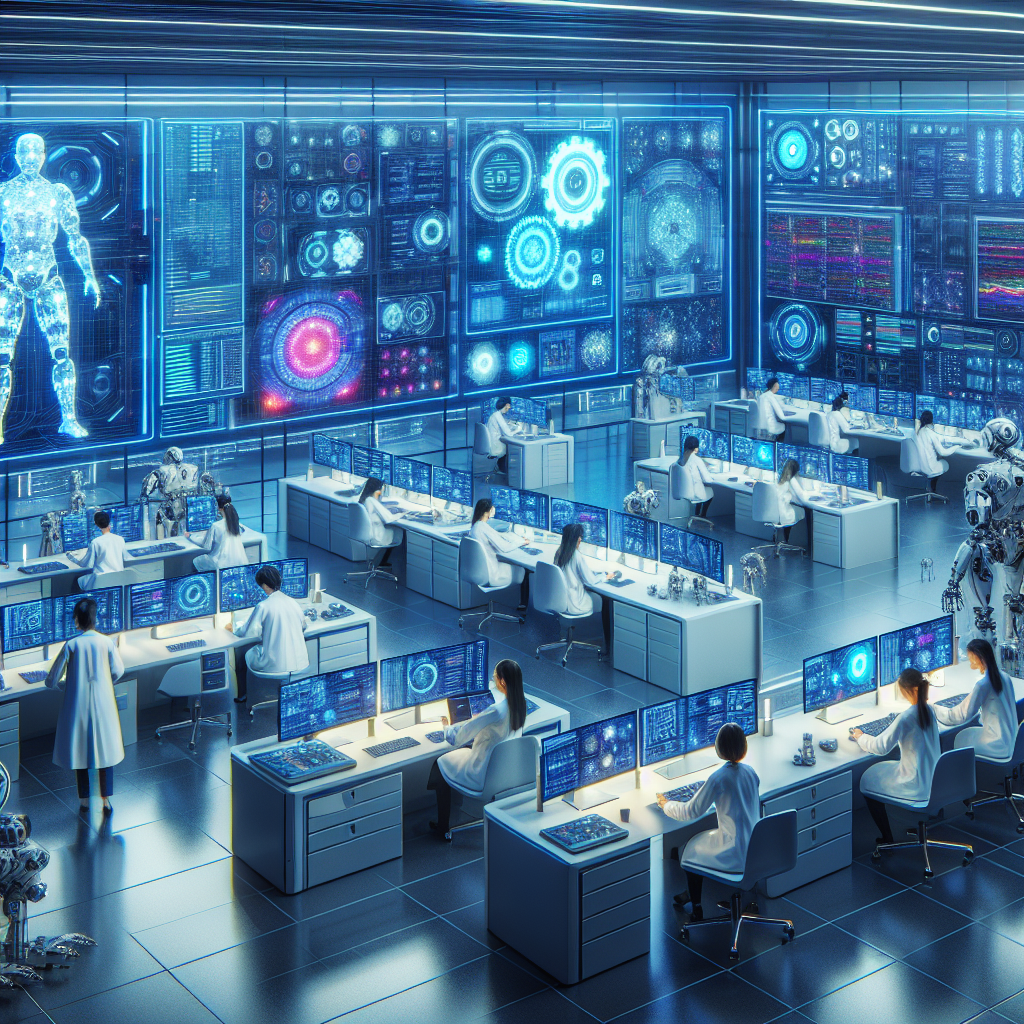
    artificial intelligence research lab

    “Unleashing the potential of AI through cutting-edge research and innovation.”

    Introduction


    The Impact of Artificial Intelligence Research Lab on Advancements in Healthcare

    Artificial intelligence (AI) has been making waves in various industries, and healthcare is no exception. With the rise of AI research labs, the healthcare industry has seen significant advancements in the way diseases are diagnosed, treated, and managed. These labs are dedicated to developing and implementing AI technologies that can revolutionize the healthcare sector, ultimately improving patient outcomes and reducing healthcare costs.

    One of the key areas where AI research labs have made a significant impact is in medical imaging. Traditional methods of medical imaging, such as X-rays and MRIs, require a trained radiologist to interpret the results. However, with the help of AI, these images can now be analyzed and interpreted in a fraction of the time it would take a human. This not only speeds up the diagnosis process but also reduces the chances of human error.

    Moreover, AI-powered medical imaging can detect abnormalities that may be missed by the human eye. For example, a study published in the journal Nature Medicine found that an AI system was able to detect breast cancer in mammograms with a higher accuracy rate than radiologists. This breakthrough has the potential to save countless lives by catching cancer at an early stage when it is most treatable.

    Another area where AI research labs have made significant strides is in drug discovery. Developing new drugs is a lengthy and expensive process, with a high failure rate. However, with the help of AI, this process can be expedited and made more efficient. AI algorithms can analyze vast amounts of data and identify potential drug candidates that may have been overlooked by traditional methods. This not only speeds up the drug discovery process but also reduces costs, making it more accessible for pharmaceutical companies to develop new treatments.

    In addition to drug discovery, AI research labs are also working on developing personalized medicine. This involves using AI algorithms to analyze a patient’s genetic makeup and medical history to create personalized treatment plans. This approach takes into account individual variations and can lead to more effective treatments with fewer side effects. This is especially beneficial for patients with complex or rare diseases, where traditional treatments may not be as effective.

    Furthermore, AI research labs are also working on developing virtual assistants for healthcare professionals. These assistants can help with administrative tasks, such as scheduling appointments and managing patient records, allowing doctors and nurses to focus on patient care. They can also assist with clinical decision-making by analyzing patient data and providing treatment recommendations. This not only saves time but also reduces the chances of human error, ultimately improving patient outcomes.

    The impact of AI research labs on healthcare is not limited to diagnosis and treatment. They are also playing a crucial role in disease prevention and management. For instance, AI-powered wearable devices can monitor a patient’s vital signs and alert them and their healthcare provider of any abnormalities. This can help prevent serious health issues and allow for early intervention. AI algorithms can also analyze patient data to identify patterns and predict potential health risks, allowing for proactive measures to be taken.

    In conclusion, the impact of AI research labs on advancements in healthcare is undeniable. From improving medical imaging and drug discovery to developing personalized medicine and virtual assistants, AI is transforming the way healthcare is delivered. With continued research and development, the potential for AI to revolutionize the healthcare industry is limitless. It is an exciting time for the healthcare sector, and AI research labs are at the forefront of this transformation, paving the way for a healthier and more efficient future.

    Exploring the Ethical Implications of AI Research Lab Developments

    artificial intelligence research lab
    Artificial intelligence (AI) has been a hot topic in recent years, with advancements in technology and research leading to its widespread use in various industries. As AI continues to evolve and become more integrated into our daily lives, it is crucial to consider the ethical implications of its development. This is where AI research labs play a crucial role.

    AI research labs are dedicated spaces where scientists, engineers, and researchers work together to develop and improve AI technologies. These labs are at the forefront of AI research, constantly pushing the boundaries of what is possible. However, with great power comes great responsibility, and it is essential for these labs to consider the ethical implications of their work.

    One of the main ethical concerns surrounding AI research labs is the potential for bias in AI algorithms. AI algorithms are trained using vast amounts of data, and if this data is biased, it can lead to biased outcomes. For example, if an AI algorithm is trained using data that is predominantly from one race or gender, it may result in discriminatory decisions. This is a significant concern, especially in areas such as healthcare and criminal justice, where AI is being used to make critical decisions.

    To address this issue, AI research labs must ensure that their data sets are diverse and representative of the population. This means actively seeking out and including data from underrepresented groups and continuously monitoring and evaluating the data for any biases. Additionally, AI research labs must also have a diverse team of researchers and engineers to prevent any unconscious biases from influencing the development of AI algorithms.

    Another ethical concern surrounding AI research labs is the potential for job displacement. As AI technology continues to advance, there is a fear that it will replace human workers, leading to job loss and economic instability. While it is true that AI can automate certain tasks, it is also creating new job opportunities in fields such as data science and AI development. AI research labs must consider the potential impact of their work on the job market and work towards creating a balance between automation and human labor.

    Privacy is another significant ethical concern in the development of AI. As AI technology becomes more sophisticated, it can collect and analyze vast amounts of personal data. This raises concerns about the protection of personal information and the potential for misuse of this data. AI research labs must prioritize the privacy and security of data in their work. This includes implementing strict data protection measures and being transparent about how data is collected, used, and stored.

    In addition to these ethical concerns, there is also the issue of accountability. As AI technology becomes more autonomous, it becomes challenging to determine who is responsible for any errors or harm caused by AI systems. AI research labs must establish clear guidelines and protocols for accountability and ensure that there is a system in place to address any issues that may arise.

    Furthermore, AI research labs must also consider the potential for unintended consequences of their work. As AI technology becomes more advanced, it is possible that it may develop in ways that were not intended by its creators. This could have significant ethical implications, and AI research labs must continuously monitor and evaluate their work to prevent any unintended consequences.

    In conclusion, AI research labs play a crucial role in the development of AI technology. As they continue to push the boundaries of what is possible, it is essential for them to consider the ethical implications of their work. By addressing issues such as bias, job displacement, privacy, accountability, and unintended consequences, AI research labs can ensure that AI technology is developed and used in an ethical and responsible manner. It is only through careful consideration and proactive measures that we can harness the full potential of AI while also safeguarding against any potential harm.

    The Future of Work: How AI Research Lab is Shaping the Job Market

    Artificial intelligence (AI) has been a buzzword in the tech industry for quite some time now. From self-driving cars to virtual assistants, AI has made its way into our daily lives in various forms. But beyond the consumer-facing applications, there is a whole world of AI research that is shaping the future of work. And at the forefront of this research are AI research labs.

    AI research labs are dedicated spaces where scientists, engineers, and researchers work together to develop and advance AI technologies. These labs are often found in universities, tech companies, and government institutions. Their main goal is to push the boundaries of AI and create innovative solutions that can be applied in various industries.

    One of the main areas of focus for AI research labs is automation. With the rise of AI, there is a growing concern about the impact it will have on the job market. Many fear that AI will replace human workers, leading to widespread unemployment. However, AI research labs are working towards a different future – one where AI and humans work together to create a more efficient and productive workforce.

    One way AI research labs are shaping the job market is by developing AI-powered tools and software that can automate repetitive and mundane tasks. This frees up human workers to focus on more complex and creative tasks, ultimately increasing productivity and job satisfaction. For example, AI-powered chatbots can handle customer service inquiries, allowing human employees to focus on more critical tasks.

    Another area where AI research labs are making an impact is in the healthcare industry. With the help of AI, researchers are developing tools that can analyze medical data and assist doctors in making accurate diagnoses. This not only saves time but also improves the quality of healthcare. Additionally, AI-powered robots are being used in surgeries, reducing the risk of human error and improving patient outcomes.

    AI research labs are also playing a crucial role in the development of self-driving cars. With the potential to reduce accidents and improve transportation efficiency, self-driving cars have the potential to revolutionize the job market. While some fear that this technology will lead to job losses in the transportation industry, AI research labs are working towards creating new job opportunities in areas such as data analysis, software development, and maintenance of these vehicles.

    Moreover, AI research labs are also working towards creating a more inclusive and diverse workforce. With AI algorithms being trained on biased data, there is a risk of perpetuating discrimination and inequality. To combat this, AI research labs are actively working towards developing fair and unbiased algorithms. This not only ensures a more ethical use of AI but also creates job opportunities for individuals with diverse backgrounds and perspectives.

    The impact of AI research labs on the job market is not limited to specific industries. AI has the potential to transform the way we work in almost every sector. For example, in the finance industry, AI-powered tools can analyze vast amounts of data and make accurate predictions, helping financial institutions make better investment decisions. In the education sector, AI can personalize learning experiences for students, making education more accessible and effective.

    In conclusion, AI research labs are shaping the future of work in various ways. From automation to healthcare, transportation, and education, AI has the potential to revolutionize the job market. While there are concerns about job losses, AI research labs are working towards creating a future where humans and AI work together to create a more efficient, diverse, and inclusive workforce. As AI continues to advance, it is essential to have responsible and ethical research labs that prioritize the well-being of both humans and machines.

  • are left-handed people smarter than right-handed people

    are left-handed people smarter than right-handed people

    https://amzn.to/3SuUrdz

    “Left or right, intelligence knows no hand preference.”

    Introduction

    There has been a long-standing debate about whether left-handed people are smarter than right-handed people. Some studies have suggested that left-handed individuals may have certain cognitive advantages, while others argue that there is no significant difference in intelligence between the two groups. In this discussion, we will explore the research and theories surrounding this topic to gain a better understanding of the relationship between handedness and intelligence.

    The Science Behind Handedness and Intelligence: Exploring the Research

    Handedness, or the preference for using one hand over the other, has long been a topic of fascination and speculation. Many people believe that left-handed individuals are more creative and intelligent than their right-handed counterparts. But is there any truth to this belief? In this article, we will explore the science behind handedness and intelligence, and delve into the research that has been conducted on this topic.

    Firstly, it is important to understand that handedness is not a simple binary trait. While most people are either left-handed or right-handed, there is also a small percentage of individuals who are ambidextrous, meaning they can use both hands equally well. Additionally, handedness is not solely determined by genetics, as environmental factors can also play a role. This makes studying the relationship between handedness and intelligence a complex task.

    One of the earliest studies on this topic was conducted by French psychologist Alfred Binet in the late 19th century. Binet found that left-handed individuals performed better on tasks that required divergent thinking, which is the ability to come up with multiple solutions to a problem. This led to the belief that left-handed people were more creative and therefore, more intelligent. However, this study was limited in its scope and did not take into account other factors that could influence intelligence.

    In the 1970s, a study by American psychologist Marian Annett found that left-handed individuals had a higher proportion of individuals with an IQ above 140, which is considered to be in the gifted range. This study sparked a renewed interest in the relationship between handedness and intelligence. However, subsequent studies have failed to replicate these findings, leading to conflicting results.

    One of the most comprehensive studies on this topic was conducted by British psychologist Chris McManus in 2009. McManus analyzed data from over 10,000 individuals and found no significant difference in intelligence between left-handed and right-handed individuals. He also found that there was no correlation between handedness and creativity. This study debunked the long-held belief that left-handed people were inherently more intelligent or creative.

    So why do these beliefs persist? One theory is that left-handed individuals are forced to adapt to a right-handed world, which may lead to increased brain plasticity and the development of unique problem-solving skills. This theory is supported by a study conducted by Australian researchers in 2013. They found that left-handed individuals had a larger corpus callosum, the bundle of nerve fibers that connects the two hemispheres of the brain. This may suggest that left-handed individuals have a more efficient communication between the two hemispheres, which could potentially lead to enhanced cognitive abilities.

    Another theory is that left-handed individuals may have a higher prevalence of certain genetic variations that are associated with intelligence. A study published in 2019 found that left-handed individuals had a higher frequency of a gene variant associated with better connectivity between brain regions involved in language processing. This could potentially explain why left-handed individuals have been found to excel in tasks that require verbal fluency.

    In conclusion, while there is no definitive answer to the question of whether left-handed people are smarter than right-handed people, the research suggests that there is no significant difference in intelligence between the two groups. However, there may be certain cognitive advantages associated with left-handedness, such as enhanced problem-solving skills and better connectivity between brain regions. Ultimately, handedness is just one aspect of a person’s identity and should not be used as a measure of intelligence.

    Debunking the Myth: Why Left-Handedness Does Not Determine Intelligence

    are left-handed people smarter than right-handed people
    Left-handedness has long been associated with intelligence, with many people believing that left-handed individuals are inherently smarter than their right-handed counterparts. This belief has been perpetuated for centuries, with famous left-handed geniuses such as Leonardo da Vinci, Albert Einstein, and Marie Curie being used as evidence to support this claim. However, recent research has debunked this myth, showing that left-handedness does not determine intelligence.

    The idea that left-handed people are smarter than right-handed people can be traced back to the ancient Greeks, who believed that left-handedness was a sign of superior intelligence. This belief was also prevalent in medieval times, with left-handedness being associated with witchcraft and devil worship. It wasn’t until the 20th century that this belief began to be challenged by scientific research.

    One of the main reasons for the belief that left-handed people are smarter is the fact that they make up a smaller percentage of the population. It is estimated that only 10% of the world’s population is left-handed, making them a minority. This rarity has led to the idea that left-handedness is a unique trait that sets individuals apart from the majority and therefore must be linked to intelligence.

    However, research has shown that there is no significant difference in intelligence between left-handed and right-handed individuals. In fact, a study conducted by the University of Edinburgh found that left-handed people have a slightly lower IQ on average than right-handed people. This study, which analyzed data from over 100,000 participants, concluded that there is no evidence to support the belief that left-handed people are smarter.

    Another factor that has contributed to the myth of left-handed intelligence is the idea that left-handed people are more creative. This belief stems from the fact that many famous artists, musicians, and writers are left-handed. However, this correlation does not necessarily mean causation. While it is true that left-handed individuals may have a different way of thinking and problem-solving, this does not automatically make them more creative or intelligent.

    Moreover, the idea that left-handedness is a sign of intelligence is based on outdated and flawed research. In the past, left-handedness was often associated with negative traits such as clumsiness, dishonesty, and mental illness. This led to biased and inaccurate studies that linked left-handedness with intelligence. However, modern research has debunked these claims and shown that left-handedness is simply a natural variation in human anatomy and has no bearing on one’s intelligence or character.

    It is also important to note that intelligence is a complex and multifaceted concept that cannot be determined by something as simple as hand dominance. There are many factors that contribute to an individual’s intelligence, including genetics, environment, and education. Hand dominance is just one small aspect of a person’s overall cognitive abilities.

    In conclusion, the belief that left-handed people are smarter than right-handed people is a myth that has been perpetuated for centuries. While it may seem like a logical assumption due to the rarity of left-handedness and the prevalence of famous left-handed geniuses, there is no scientific evidence to support this claim. Intelligence is a complex and individualized concept that cannot be determined by something as arbitrary as hand dominance. It is time to debunk this myth and recognize that left-handedness does not determine intelligence.

    Embracing Diversity: Celebrating the Unique Abilities of Both Left-Handed and Right-Handed Individuals

    In a world where being right-handed is considered the norm, left-handed individuals often face challenges and misconceptions. From being forced to use right-handed tools to being labeled as clumsy or awkward, left-handed people have long been subjected to discrimination and stereotypes. However, recent studies have shown that left-handed individuals may actually possess unique abilities and advantages that their right-handed counterparts do not have. This begs the question: are left-handed people smarter than right-handed people?

    The idea that left-handed people are more intelligent than right-handed people is not a new one. In fact, it dates back to ancient times when left-handedness was associated with being sinister or evil. This belief persisted throughout history, with left-handed individuals being forced to use their right hand for tasks such as writing and eating. However, as society has become more accepting of diversity, the idea that left-handed people are smarter has gained more traction.

    One of the main arguments for left-handed people being smarter is the fact that they have to navigate a world designed for right-handed individuals. This means that they have to constantly adapt and find creative solutions to everyday tasks. This adaptability and problem-solving ability may translate into higher intelligence. Additionally, studies have shown that left-handed individuals have a higher likelihood of being ambidextrous, meaning they can use both hands equally well. This dual-handedness has been linked to increased brain connectivity and cognitive flexibility, both of which are associated with higher intelligence.

    Another factor that may contribute to the idea of left-handed people being smarter is the fact that they are a minority. Only about 10% of the population is left-handed, making them a unique and often misunderstood group. This may lead to left-handed individuals developing a stronger sense of self and independence, as they have to navigate a world that is not designed for them. This sense of self-awareness and individuality may also contribute to higher intelligence.

    However, it is important to note that intelligence cannot be solely attributed to handedness. There are many factors that contribute to a person’s intelligence, including genetics, environment, and education. While left-handed individuals may possess certain advantages, it does not mean that they are inherently smarter than right-handed individuals.

    In fact, studies have also shown that right-handed people have their own unique abilities and advantages. For example, right-handed individuals tend to have better fine motor skills and hand-eye coordination, which can be beneficial in tasks such as sports or playing musical instruments. Additionally, right-handed people may have an advantage in certain social situations, as most tools and objects are designed for right-handed use, making them more familiar and easier to navigate.

    Ultimately, the idea of left-handed people being smarter than right-handed people is a complex and nuanced one. While there may be some evidence to support this claim, it is important to recognize that intelligence is not solely determined by handedness. Both left-handed and right-handed individuals possess unique abilities and strengths that should be celebrated and embraced.

    In conclusion, the debate over whether left-handed people are smarter than right-handed people is ongoing and may never have a definitive answer. What is important is to recognize and celebrate the diversity and unique abilities of both left-handed and right-handed individuals. Instead of focusing on which hand someone uses, we should focus on their individual strengths and talents. After all, it is our differences that make us truly special and should be embraced and celebrated.

  • benefits of social media for teens

    benefits of social media for teens

    “Connect, share, and thrive – the power of social media for teens.”

    https://amzn.to/3SuUrdz

    Introduction

    Social media has become an integral part of the lives of teenagers in today’s digital age. It offers a wide range of benefits for teens, from staying connected with friends and family to accessing information and resources. In this fast-paced world, social media has become a powerful tool for communication, self-expression, and learning. It has opened up new opportunities for teens to connect, collaborate, and create, making it an essential aspect of their daily lives. In this introduction, we will explore the various benefits of social media for teens and how it has positively impacted their lives.

    The Positive Impact of Social Media on Teen Mental Health

    Social media has become an integral part of our daily lives, especially for teenagers. With the rise of various social media platforms such as Instagram, Snapchat, and TikTok, teenagers are constantly connected to the virtual world. While there are concerns about the negative impact of social media on teens, it is important to acknowledge the positive impact it can have on their mental health.

    One of the main benefits of social media for teens is the sense of community and belonging it provides. Adolescence is a time when teenagers are trying to find their identity and fit in with their peers. Social media allows them to connect with like-minded individuals and form friendships based on shared interests. This can be especially beneficial for teens who may feel isolated or struggle with social anxiety. Through social media, they can find a sense of belonging and support, which can have a positive impact on their mental health.

    Moreover, social media can also serve as a platform for self-expression and creativity. Many teenagers use social media to showcase their talents, whether it be through art, music, or writing. This can boost their self-esteem and confidence, as they receive validation and support from their peers. It also allows them to explore their interests and passions, which can be a source of joy and fulfillment. By providing an outlet for self-expression, social media can help teens cope with stress and improve their overall well-being.

    In addition, social media can also be a valuable source of information and education for teenagers. With the vast amount of content available on social media, teens can learn about various topics and stay updated on current events. This can broaden their perspectives and help them develop critical thinking skills. Social media can also be a platform for discussing important issues and raising awareness about mental health. By providing a space for open and honest conversations, social media can help reduce the stigma surrounding mental health and encourage teens to seek help when needed.

    Furthermore, social media can also serve as a tool for building and maintaining relationships. With the ability to connect with people from all over the world, social media allows teens to stay in touch with friends and family, even if they are physically apart. This can be especially beneficial for teens who may have moved to a new city or country, as it helps them stay connected to their support system. Social media also allows teens to make new friends and expand their social circle, which can improve their social skills and overall well-being.

    It is important to note that the positive impact of social media on teen mental health is not limited to their personal lives. Social media can also have a positive impact on their academic and professional lives. Many educational institutions and companies use social media as a means of communication and collaboration. This can help teens develop important skills such as teamwork, time management, and digital literacy. It also provides them with opportunities to showcase their achievements and build a professional network, which can be beneficial for their future endeavors.

    In conclusion, while there are valid concerns about the negative impact of social media on teens, it is important to recognize the positive impact it can have on their mental health. From providing a sense of community and belonging to promoting self-expression and creativity, social media can be a valuable tool for teenagers. It is essential for parents and educators to guide and educate teens on the responsible use of social media, so they can reap its benefits while minimizing any potential negative effects. With proper guidance and moderation, social media can be a powerful tool for promoting the mental well-being of teenagers.

    How Social Media Can Help Teens Build Stronger Relationships

    benefits of social media for teens
    Social media has become an integral part of our daily lives, especially for teenagers. With the rise of various social media platforms such as Facebook, Instagram, and Snapchat, teens are constantly connected to their peers and the world around them. While there are concerns about the negative effects of social media on teens, there are also many benefits that cannot be ignored. One of the most significant advantages of social media for teens is its ability to help them build stronger relationships.

    In today’s fast-paced world, it can be challenging for teens to maintain strong relationships with their friends and family. With busy schedules and different interests, it can be challenging to find time to connect with loved ones. However, social media has made it easier for teens to stay in touch with their friends and family, regardless of distance or time constraints. Through social media, teens can communicate with their loved ones in real-time, share updates about their lives, and even plan virtual hangouts. This constant connection helps teens maintain and strengthen their relationships, even when they are physically apart.

    Moreover, social media has also made it easier for teens to make new friends and expand their social circle. With the click of a button, teens can connect with people from all over the world who share similar interests and hobbies. This allows them to form new friendships and learn about different cultures and perspectives. Social media also provides a platform for teens to express themselves and find like-minded individuals who understand and support them. This can be especially beneficial for teens who may feel isolated or misunderstood in their offline lives.

    Another way social media helps teens build stronger relationships is by providing a safe space for them to share their thoughts and feelings. Many teens struggle with expressing themselves in person, but social media allows them to open up and share their thoughts without fear of judgment. This can be particularly helpful for teens who are going through difficult times and need a supportive community to turn to. Through social media, they can find comfort and support from their peers, which can help them cope with their struggles and build stronger relationships.

    Furthermore, social media has also made it easier for teens to stay connected with their extended family members. In the past, it was challenging for teens to maintain relationships with their relatives who lived far away. However, with social media, they can now stay updated on their family’s lives and share their own updates with them. This helps teens feel more connected to their family and strengthens their relationships with them.

    In addition to personal relationships, social media can also help teens build stronger relationships with their teachers and mentors. Many schools and educational institutions use social media platforms to communicate with their students and share important updates. This allows teens to stay connected with their teachers outside of the classroom and seek guidance and support when needed. Social media also provides a platform for teens to showcase their achievements and talents, which can help them build a positive relationship with their teachers and mentors.

    In conclusion, social media has many benefits for teens, and one of the most significant advantages is its ability to help them build stronger relationships. From staying connected with friends and family to making new connections and finding support, social media has revolutionized the way teens interact and form relationships. However, it is essential for teens to use social media responsibly and maintain a healthy balance between their online and offline lives. With proper guidance and moderation, social media can be a powerful tool for teens to build and nurture meaningful relationships.

    The Educational Benefits of Social Media for Teenagers

    Social media has become an integral part of our daily lives, especially for teenagers. With the rise of various social media platforms such as Facebook, Instagram, and Twitter, teenagers are constantly connected to the virtual world. While there are concerns about the negative effects of social media on teenagers, it is important to recognize the educational benefits that it offers.

    One of the main educational benefits of social media for teenagers is the access to a vast amount of information. With just a few clicks, teenagers can access a wide range of educational resources, including articles, videos, and online courses. This allows them to expand their knowledge beyond what is taught in the classroom and explore their interests in a more interactive and engaging way.

    Moreover, social media also provides a platform for teenagers to connect with experts and professionals in various fields. Many professionals and organizations use social media to share their knowledge and expertise, making it easier for teenagers to reach out to them for guidance and advice. This not only helps in their academic pursuits but also exposes them to different career options and opportunities.

    In addition to accessing information and connecting with experts, social media also allows teenagers to collaborate and learn from their peers. Many social media platforms have groups and communities dedicated to specific subjects or interests. This provides a space for teenagers to discuss and share ideas, ask questions, and learn from each other. This collaborative learning not only enhances their understanding of a subject but also improves their communication and teamwork skills.

    Furthermore, social media can also be used as a tool for self-directed learning. Many teenagers use social media to follow pages and accounts related to their interests and hobbies. This allows them to learn at their own pace and explore topics that they are passionate about. For instance, a teenager interested in photography can follow professional photographers on Instagram and learn about different techniques and styles.

    Apart from the educational benefits, social media also helps teenagers develop important digital skills. In today’s digital age, it is crucial for teenagers to be proficient in using technology and social media. By regularly using social media, teenagers become familiar with different digital tools and platforms, which can be beneficial for their future academic and professional endeavors.

    Moreover, social media also helps teenagers develop critical thinking skills. With the abundance of information available on social media, teenagers are exposed to different perspectives and opinions. This encourages them to think critically and evaluate the credibility of the information they come across. They learn to question and analyze information, which is an essential skill in today’s information-driven society.

    In addition to these educational benefits, social media also offers a platform for teenagers to express themselves and showcase their talents. Many teenagers use social media to share their artwork, writing, or music, which not only boosts their confidence but also allows them to receive feedback and improve their skills.

    In conclusion, while there are valid concerns about the negative effects of social media on teenagers, it is important to recognize the educational benefits it offers. From accessing information and connecting with experts to developing digital skills and critical thinking, social media has the potential to enhance the educational experience of teenagers. As long as it is used responsibly and in moderation, social media can be a valuable tool for teenagers in their academic and personal growth.

  • positive impact of artificial intelligence on economy

    positive impact of artificial intelligence on economy

    “Empowering businesses and driving economic growth through the power of AI.”

    https://amzn.to/3SuUrdz

    Introduction

    Artificial intelligence (AI) has become a buzzword in recent years, with its potential to revolutionize various industries and aspects of our daily lives. One area where AI has shown significant promise is in the economy. The integration of AI technology has had a positive impact on the economy, leading to increased productivity, efficiency, and innovation. In this introduction, we will explore the various ways in which AI is transforming the economy and the potential benefits it brings.

    Increased Efficiency and Productivity: With the help of AI, businesses can automate repetitive and time-consuming tasks, allowing employees to focus on more complex and creative work. This leads to increased efficiency and productivity, ultimately boosting the economy

    Artificial intelligence (AI) has become a buzzword in recent years, with its potential to revolutionize various industries. While there are concerns about its impact on the job market, there is no denying the positive impact it has on the economy. One of the key ways in which AI is transforming the economy is through increased efficiency and productivity.

    One of the main advantages of AI is its ability to automate tasks that are repetitive and time-consuming. This means that businesses can now rely on machines to handle mundane tasks, freeing up employees to focus on more complex and creative work. For example, in the manufacturing industry, AI-powered robots can handle repetitive tasks such as assembly and packaging, while employees can focus on tasks that require critical thinking and problem-solving skills.

    This increased efficiency and productivity have a direct impact on the economy. With AI handling routine tasks, businesses can produce goods and services at a faster rate, leading to increased output. This, in turn, leads to higher profits and economic growth. According to a report by Accenture, AI has the potential to increase labor productivity by up to 40% by 2035, contributing an additional $14 trillion to the global economy.

    Moreover, AI can also help businesses make more informed decisions, leading to better outcomes. With the help of AI-powered analytics, businesses can analyze vast amounts of data in a fraction of the time it would take a human. This allows them to identify patterns and trends that would have otherwise gone unnoticed, enabling them to make data-driven decisions. This not only leads to better outcomes for businesses but also for the economy as a whole.

    Another way in which AI is increasing efficiency and productivity is through its ability to improve processes. By analyzing data and identifying inefficiencies, AI can suggest ways to streamline processes and eliminate bottlenecks. This leads to faster and more efficient operations, ultimately contributing to economic growth. For example, in the healthcare industry, AI-powered systems can analyze patient data and suggest the most effective treatment plans, leading to better health outcomes and reduced healthcare costs.

    Furthermore, AI is also playing a crucial role in the development of new products and services. With its ability to analyze vast amounts of data and identify patterns, AI can help businesses identify gaps in the market and develop innovative solutions to meet consumer needs. This not only leads to the creation of new jobs but also contributes to economic growth. For instance, the rise of AI-powered virtual assistants has created a new market for businesses, leading to job opportunities and economic growth.

    In addition to increasing efficiency and productivity, AI is also helping businesses reduce costs. By automating tasks and improving processes, businesses can save time and resources, ultimately leading to cost savings. This, in turn, can lead to lower prices for consumers, making goods and services more affordable. This can have a positive impact on the economy by increasing consumer spending and stimulating economic growth.

    In conclusion, the positive impact of AI on the economy cannot be ignored. Through increased efficiency and productivity, AI is contributing to economic growth, creating new job opportunities, and improving processes. While there are concerns about its impact on the job market, it is clear that AI is transforming the economy for the better. As businesses continue to embrace AI, we can expect to see even more positive effects on the economy in the years to come.

    Cost Reduction: AI technology can help businesses cut costs by streamlining processes, reducing errors, and minimizing the need for human labor. This can result in significant savings for companies, which can then be reinvested into the economy

    positive impact of artificial intelligence on economy
    Artificial intelligence (AI) has been a buzzword in the business world for quite some time now. From self-driving cars to virtual assistants, AI technology has made its way into various industries, revolutionizing the way we live and work. While there are concerns about the potential negative impact of AI on jobs, there is no denying that it has also brought about numerous benefits, especially when it comes to the economy.

    One of the most significant ways in which AI has positively impacted the economy is through cost reduction. By automating tasks and processes, AI technology has helped businesses cut costs significantly. This is because AI systems can perform tasks faster and more accurately than humans, reducing the need for human labor. As a result, companies can save on labor costs, which can then be reinvested into the economy.

    One area where AI has been particularly effective in reducing costs is in manufacturing. With the use of AI-powered robots, companies can automate their production processes, resulting in increased efficiency and reduced labor costs. These robots can work around the clock without the need for breaks or vacations, leading to higher productivity and cost savings for businesses. This, in turn, can lead to lower prices for consumers, making products more affordable and boosting consumer spending.

    Moreover, AI technology can also help businesses streamline their processes, leading to further cost reductions. For instance, AI-powered software can analyze data and identify patterns, allowing companies to optimize their supply chain and inventory management. This can result in reduced waste and better inventory control, leading to cost savings for businesses. Additionally, AI can also help with predictive maintenance, allowing companies to identify and address potential issues before they become costly problems.

    Another way in which AI is reducing costs for businesses is by minimizing errors. Human error is inevitable, and it can be costly for companies, especially in industries such as finance and healthcare. However, with the use of AI, these errors can be significantly reduced. AI systems can analyze vast amounts of data and make decisions based on that data, eliminating the risk of human error. This can save companies from costly mistakes and improve overall efficiency.

    Furthermore, AI technology can also help businesses save on energy costs. With the use of smart sensors and AI-powered systems, companies can optimize their energy usage, resulting in significant cost savings. For instance, AI can analyze data from sensors to determine the most energy-efficient way to operate machinery or control temperature in a building. This can lead to lower energy bills for businesses, freeing up funds that can be used for other purposes.

    In addition to cost reduction, AI technology can also create new job opportunities and stimulate economic growth. As AI continues to advance, there will be a growing demand for skilled workers who can develop, maintain, and improve AI systems. This will lead to the creation of new jobs and the need for workers to acquire new skills, boosting the economy. Moreover, with the increased efficiency and cost savings brought about by AI, businesses can invest in new projects and innovations, leading to economic growth.

    In conclusion, the positive impact of AI on the economy cannot be ignored. From cost reduction to job creation, AI technology has brought about numerous benefits for businesses and the economy as a whole. As AI continues to evolve and become more integrated into our daily lives, we can expect to see even more positive effects on the economy in the future.

    Job Creation: While there are concerns about AI replacing human jobs, it also has the potential to create new job opportunities. As AI technology continues to advance, there will be a growing demand for skilled workers to develop, maintain, and manage these systems, leading to job growth and a stronger economy

    Artificial intelligence (AI) has been a hot topic in recent years, with its potential to revolutionize various industries and improve our daily lives. While there are concerns about AI replacing human jobs, it also has the potential to create new job opportunities. In fact, AI is already making a positive impact on the economy by creating new jobs and boosting economic growth.

    One of the main ways AI is creating jobs is through the development and maintenance of AI systems. As AI technology continues to advance, there is a growing demand for skilled workers who can design, program, and maintain these systems. This includes data scientists, machine learning engineers, and AI developers. These jobs require a high level of technical expertise and are in high demand, leading to competitive salaries and job security.

    Moreover, the implementation of AI in various industries is also creating new job opportunities. For example, in the healthcare industry, AI is being used to analyze medical data and assist in diagnosing diseases. This has led to the creation of new jobs such as medical AI specialists and healthcare data analysts. Similarly, in the transportation industry, the development of self-driving cars has created a demand for engineers and technicians to design and maintain these vehicles. These are just a few examples of how AI is creating new job opportunities in various industries.

    In addition to creating new jobs, AI is also improving the efficiency and productivity of existing jobs. With the help of AI, tasks that were once time-consuming and labor-intensive can now be automated, freeing up human workers to focus on more complex and creative tasks. This not only improves the overall efficiency of businesses but also allows employees to develop new skills and take on more challenging roles. As a result, AI is not only creating new jobs but also enhancing the skills and capabilities of the existing workforce.

    Furthermore, the growth of the AI industry itself is contributing to economic growth. According to a report by PwC, AI is expected to contribute $15.7 trillion to the global economy by 2030. This growth will not only create new jobs but also boost the economy through increased investments and consumer spending. As AI technology continues to advance, it is expected to have a significant impact on various industries, leading to further economic growth and job creation.

    Moreover, AI is also helping businesses make better decisions, leading to increased profits and economic growth. With the help of AI, businesses can analyze vast amounts of data and gain valuable insights that can inform their strategies and decision-making processes. This not only improves the efficiency of businesses but also allows them to identify new opportunities for growth and expansion. As a result, AI is not only creating jobs but also contributing to the overall growth and success of businesses, which in turn benefits the economy.

    In conclusion, while there are concerns about AI replacing human jobs, it is also creating new job opportunities and contributing to economic growth. The development and maintenance of AI systems, the implementation of AI in various industries, and the growth of the AI industry itself are all factors that are leading to job creation and a stronger economy. As AI technology continues to advance, its positive impact on the economy is only expected to grow, making it a crucial aspect of our future workforce and economic growth.

  • what team will win the NBA championship in 2025

    “2025 NBA Champions: Dominating the court and taking home the trophy!”

    https://amzn.to/3SuUrdz

    Introduction

    It is impossible to accurately predict which team will win the NBA championship in 2025 as it is several years away and many factors can influence the outcome. However, based on current team rosters, player development, and potential future acquisitions, it is likely that a strong and competitive team will emerge as the champion in 2025. Only time will tell which team will ultimately come out on top.

    The Top Contenders for the 2025 NBA Championship

    The NBA is a league that is constantly evolving, with new teams rising to the top and established teams falling from grace. As we look ahead to the 2025 season, it’s impossible to predict which team will come out on top and claim the coveted NBA championship. However, there are a few teams that have been making waves in recent years and could potentially be the top contenders for the 2025 NBA championship.

    One team that immediately comes to mind is the Los Angeles Lakers. Led by superstar LeBron James, the Lakers have been a dominant force in the league for decades. With a strong core of young players like Anthony Davis and Kyle Kuzma, the Lakers have the potential to continue their success in the coming years. Additionally, the Lakers have a history of attracting top talent, so it’s not out of the realm of possibility that they could add another superstar to their roster in the next few years.

    Another team that could be a top contender for the 2025 NBA championship is the Brooklyn Nets. The Nets have been steadily building a strong team, with players like Kevin Durant and Kyrie Irving leading the way. While injuries have hindered their success in recent years, the Nets have shown that they have the talent and potential to be a top team in the league. With a few more years to develop and gel as a team, the Nets could be a formidable force in 2025.

    The Golden State Warriors are another team that cannot be overlooked when discussing potential contenders for the 2025 NBA championship. While they have had a rough couple of seasons, the Warriors have a history of being a dominant team in the league. With star players like Stephen Curry and Klay Thompson, the Warriors have the potential to bounce back and reclaim their spot at the top of the league. Additionally, the Warriors have a strong front office and coaching staff, which could help them make strategic moves to improve their roster in the coming years.

    The Milwaukee Bucks have also emerged as a top team in the league in recent years. Led by reigning MVP Giannis Antetokounmpo, the Bucks have been a dominant force in the Eastern Conference. With a strong supporting cast and a talented coach in Mike Budenholzer, the Bucks have the potential to continue their success and potentially win the NBA championship in 2025.

    Lastly, the Philadelphia 76ers cannot be overlooked when discussing potential contenders for the 2025 NBA championship. The 76ers have a talented roster, with players like Joel Embiid and Ben Simmons leading the way. While they have faced some challenges in the playoffs in recent years, the 76ers have the potential to make a deep run and potentially win the championship in 2025.

    Of course, there are always surprise teams that emerge and make a run for the championship. However, based on current rosters and potential for growth, these five teams seem to be the top contenders for the 2025 NBA championship. It’s impossible to predict which team will ultimately come out on top, but one thing is for sure – the competition will be fierce and the race for the championship will be an exciting one to watch.

    Predicting the Future: Which Team Will Reign Supreme in 2025?

    what team will win the NBA championship in 2025
    The NBA is a league that is constantly evolving, with new players, coaches, and teams emerging every year. As we look towards the future, it’s natural to wonder which team will come out on top and win the coveted NBA championship in 2025. While it’s impossible to predict the future with certainty, we can analyze current trends and make educated guesses about which team will reign supreme in 2025.

    One team that is often mentioned as a potential contender for the 2025 NBA championship is the Los Angeles Lakers. With a star-studded roster that includes LeBron James and Anthony Davis, the Lakers have proven themselves to be a dominant force in the league. In addition, the Lakers have a strong front office and coaching staff, which is crucial for sustained success in the NBA. However, it’s worth noting that both James and Davis will be in their mid-30s by 2025, and it’s uncertain how much longer they will be able to maintain their elite level of play.

    Another team that could potentially win the NBA championship in 2025 is the Brooklyn Nets. The Nets have a talented young core, led by Kevin Durant and Kyrie Irving, who are both in their prime. In addition, the Nets have a strong supporting cast and a head coach in Steve Nash who has proven himself to be a great leader. However, the Nets have faced injury issues in recent years, and it’s uncertain if they will be able to stay healthy and reach their full potential in 2025.

    The Golden State Warriors are another team that could make a strong case for winning the NBA championship in 2025. While they have struggled in recent years due to injuries and roster changes, the Warriors still have a core of Stephen Curry, Klay Thompson, and Draymond Green, who have proven themselves to be a championship-caliber team. In addition, the Warriors have a strong front office and coaching staff, which could help them make the necessary adjustments to stay competitive in the coming years.

    One team that may surprise some people as a potential contender for the 2025 NBA championship is the Dallas Mavericks. Led by young superstar Luka Doncic, the Mavericks have shown tremendous growth and potential in recent years. In addition, the Mavericks have a strong supporting cast and a head coach in Rick Carlisle who has a proven track record of success. If Doncic continues to develop and the Mavericks make the right moves in the coming years, they could be a force to be reckoned with in 2025.

    Of course, there are many other teams that could potentially win the NBA championship in 2025. The Milwaukee Bucks, led by reigning MVP Giannis Antetokounmpo, have shown themselves to be a dominant team in the Eastern Conference. The Philadelphia 76ers, with their talented duo of Joel Embiid and Ben Simmons, could also make a strong case for the championship. And let’s not forget about the up-and-coming teams like the Phoenix Suns and the Atlanta Hawks, who have shown great potential and could surprise us all in 2025.

    In the end, it’s impossible to say with certainty which team will win the NBA championship in 2025. The league is constantly changing, and anything can happen between now and then. However, by analyzing current trends and considering factors such as roster, coaching, and front office, we can make educated guesses about which team will reign supreme in the future. Only time will tell if our predictions will come true, but one thing is for sure – the race for the 2025 NBA championship will be an exciting one to watch.

    Breaking Down the Potential Champions: A Look at the NBA’s Future Powerhouses

    The NBA is a league that is constantly evolving, with new teams rising to the top and established powerhouses falling from grace. As we look towards the future, it’s natural to wonder which team will emerge as the champion in 2025. While it’s impossible to predict with certainty, there are a few teams that stand out as potential contenders for the NBA championship in 2025.

    One team that is often mentioned as a future powerhouse is the Los Angeles Lakers. With a star-studded roster that includes LeBron James and Anthony Davis, the Lakers have already proven themselves as a dominant force in the league. However, by 2025, both James and Davis will be in their late thirties, and it’s uncertain how much longer they will be able to maintain their elite level of play. Additionally, the Lakers will have to navigate the challenges of salary cap restrictions and potential roster changes. While the Lakers may still be a strong team in 2025, it’s unclear if they will have what it takes to win the championship.

    Another team that has been making waves in recent years is the Brooklyn Nets. With the addition of superstars Kevin Durant and Kyrie Irving, the Nets have become a formidable force in the Eastern Conference. However, injuries have plagued both Durant and Irving, and it’s uncertain if they will be able to stay healthy and lead the Nets to a championship in 2025. Additionally, the Nets will have to compete with other rising teams in the East, such as the Philadelphia 76ers and the Boston Celtics.

    Speaking of the Celtics, they are another team that could potentially win the NBA championship in 2025. With a young core of talented players like Jayson Tatum and Jaylen Brown, the Celtics have shown promise in recent years. However, they have yet to make it to the NBA Finals, and it remains to be seen if they can take that next step and become champions. The Celtics will also have to contend with the ever-dominant Milwaukee Bucks, who have been a top team in the East for the past few seasons.

    In the Western Conference, the Denver Nuggets are a team that has been steadily improving and could be a dark horse for the championship in 2025. Led by young stars Nikola Jokic and Jamal Murray, the Nuggets have made it to the Western Conference Finals in the past two seasons. With continued growth and development, the Nuggets could become a force to be reckoned with in the coming years. However, they will have to overcome tough competition from teams like the Utah Jazz and the Phoenix Suns, who have also been on the rise in recent years.

    Finally, we can’t talk about potential champions without mentioning the reigning NBA champions, the Toronto Raptors. While they may not be the first team that comes to mind when thinking about future champions, the Raptors have proven themselves to be a resilient and well-coached team. With a strong core of players like Pascal Siakam and Fred VanVleet, the Raptors could continue to be a top team in the league in 2025. However, they will have to navigate the challenges of maintaining their success without star player Kawhi Leonard, who left the team after their championship win in 2019.

    In conclusion, there are several teams that could potentially win the NBA championship in 2025. While some teams may seem like obvious choices, there are always unexpected factors that can impact a team’s success. Whether it’s injuries, roster changes, or the emergence of new contenders, the NBA is a league that is constantly changing. Only time will tell which team will rise to the top and become the champion in 2025.

  • 3 most clever gardening tips and ideas

    3 most clever gardening tips and ideas

    “Grow smarter, not harder – unleash your green thumb with these clever gardening tips!”

    Introduction

    https://amzn.to/3SuUrdz

    Gardening is a wonderful hobby that not only beautifies our surroundings but also provides us with fresh produce and a sense of accomplishment. However, it can also be a challenging task, especially for beginners. That’s why we have compiled a list of the 3 most clever gardening tips and ideas to help you achieve a successful and thriving garden. These tips include using companion planting, creating a compost bin, and utilizing vertical gardening techniques. With these clever ideas, you can take your gardening skills to the next level and enjoy a bountiful and beautiful garden.

    Maximizing Space: Creative Container Gardening Ideas

    Gardening is a beloved hobby for many, but it can also be a challenge for those with limited space. Whether you live in a small apartment or have a small yard, there are ways to maximize your gardening space and still have a beautiful and thriving garden. In this article, we will explore three clever gardening tips and ideas for maximizing space through creative container gardening.

    The first tip is to think vertically. When space is limited, it’s important to utilize every inch available. Vertical gardening is a great way to do this. You can use hanging baskets, wall-mounted planters, or even create a trellis for climbing plants. This not only saves space but also adds visual interest to your garden. You can grow a variety of plants vertically, from herbs and vegetables to flowers and succulents. Just make sure to choose plants that are suitable for the amount of sunlight and space you have available.

    Another clever idea for maximizing space is to use unconventional containers. Instead of traditional pots, think outside the box and use items such as old tires, mason jars, or even an old shoe organizer. These containers not only add a unique touch to your garden but also save space by utilizing vertical or hanging space. Just make sure to drill holes in the bottom of the containers for proper drainage and choose plants that are suitable for the size and material of the container.

    The third tip is to consider companion planting. Companion planting is the practice of growing different plants together that benefit each other in some way. This not only maximizes space but also promotes healthy growth and can even deter pests. For example, planting marigolds with tomatoes can help repel pests that are harmful to tomatoes. You can also plant taller plants with shorter ones to create a natural shade for the smaller plants. Do some research on companion planting to find the best combinations for your garden.

    In addition to these tips, there are a few other things to keep in mind when it comes to creative container gardening. First, make sure to choose the right size container for your plants. If the container is too small, the plants may become root-bound and not grow properly. On the other hand, if the container is too large, it can be difficult to move and may require more soil and water than necessary. Also, make sure to use high-quality potting soil and fertilize regularly to ensure your plants have the nutrients they need to thrive.

    Another important aspect of container gardening is proper watering. Since containers have limited space for soil and water, they can dry out quickly. It’s important to check the moisture level of the soil regularly and water accordingly. You can also add a layer of mulch on top of the soil to help retain moisture. If you’re going on vacation or will be away for a few days, consider investing in a self-watering container or ask a friend or neighbor to water your plants for you.

    Lastly, don’t be afraid to get creative and experiment with different plants and containers. Container gardening allows for flexibility and the opportunity to try new things. You can mix and match different plants and containers to create a unique and beautiful garden. And if something doesn’t work out, you can always try again next season.

    In conclusion, maximizing space through creative container gardening is a great way to have a beautiful and thriving garden, even with limited space. By thinking vertically, using unconventional containers, and considering companion planting, you can make the most out of your gardening space. Just remember to choose the right size containers, water regularly, and have fun with your garden. Happy gardening!

    Gardening Hacks: Clever Ways to Save Time and Money

    3 most clever gardening tips and ideas
    Gardening is a beloved hobby for many, but it can also be time-consuming and expensive. However, with a few clever tips and ideas, you can save both time and money while still enjoying a beautiful and thriving garden. In this article, we will discuss the top three gardening hacks that will help you achieve a stunning garden without breaking the bank or spending hours on maintenance.

    The first clever gardening tip is to use companion planting. This is a technique where you plant different types of plants together that benefit each other in some way. For example, planting marigolds with tomatoes can help repel pests, while planting beans with corn can provide natural support for the corn stalks. This not only saves you time and effort in pest control and plant support, but it also promotes a healthier and more diverse ecosystem in your garden.

    Another benefit of companion planting is that it can help improve soil quality. Some plants, such as legumes, have the ability to fix nitrogen in the soil, which is essential for plant growth. By planting these nitrogen-fixing plants alongside other vegetables, you can naturally enrich the soil without the need for expensive fertilizers. This not only saves you money, but it also reduces the use of harmful chemicals in your garden.

    The second clever gardening tip is to make your own compost. Composting is a simple and cost-effective way to create nutrient-rich soil for your plants. Instead of buying expensive bags of compost from the store, you can make your own using kitchen scraps, yard waste, and other organic materials. Not only does this save you money, but it also reduces waste and helps the environment.

    To start composting, you can use a designated compost bin or simply create a pile in a corner of your garden. Add a mix of brown materials (such as dried leaves or shredded newspaper) and green materials (such as fruit and vegetable scraps) to your compost pile. Make sure to turn the pile regularly to aerate it and speed up the decomposition process. In a few months, you will have a rich and nutrient-dense compost that you can use to fertilize your plants.

    The third clever gardening tip is to use mulch. Mulching is a simple yet effective way to save time and money in your garden. Mulch is a layer of material, such as wood chips or straw, that is placed on top of the soil around plants. It helps retain moisture in the soil, suppresses weed growth, and regulates soil temperature. This means you will spend less time watering and weeding, and your plants will have a better chance of surviving extreme weather conditions.

    In addition to these benefits, mulch also breaks down over time and adds nutrients to the soil, making it a natural and cost-effective fertilizer. You can use organic materials from your own garden, such as grass clippings or fallen leaves, to create your own mulch. This not only saves you money, but it also reduces waste and promotes a healthier garden ecosystem.

    In conclusion, gardening doesn’t have to be a time-consuming and expensive hobby. By using companion planting, making your own compost, and using mulch, you can save time and money while still achieving a beautiful and thriving garden. These clever gardening tips not only benefit your wallet and the environment, but they also promote a more sustainable and natural approach to gardening. So why not give them a try and see the difference they can make in your garden?

    Eco-Friendly Gardening: Sustainable Practices for a Greener Garden

    Gardening is a beloved hobby for many, providing a sense of peace and satisfaction as we watch our plants grow and thrive. However, with the increasing concern for the environment, it is important to consider sustainable practices in our gardening routines. By implementing eco-friendly techniques, we can not only create a greener garden but also contribute to a healthier planet. In this article, we will discuss three clever gardening tips and ideas that are not only beneficial for your garden but also for the environment.

    1. Composting: The Key to a Healthy Garden

    Composting is a natural process of decomposing organic materials, such as food scraps, leaves, and grass clippings, into a nutrient-rich soil amendment. This is a great way to reduce waste and create a sustainable source of fertilizer for your garden. By composting, you are diverting waste from landfills, where it would release harmful greenhouse gases, and instead, using it to nourish your plants.

    To start composting, you can either purchase a compost bin or make one yourself using a container or a designated area in your garden. The key to successful composting is to maintain a balance between green and brown materials. Green materials, such as fruit and vegetable scraps, provide nitrogen, while brown materials, such as dried leaves and twigs, provide carbon. It is important to mix these materials and keep the compost moist to promote decomposition. Avoid adding meat, dairy, or oils to your compost as they can attract pests and slow down the process.

    Once your compost is ready, you can use it as a natural fertilizer for your plants. This not only reduces the need for chemical fertilizers but also improves the soil structure and promotes healthy plant growth.

    1. Companion Planting: A Natural Pest Control Method

    Pests can be a major problem for gardeners, often leading to the use of harmful pesticides. However, there is a natural and eco-friendly way to control pests in your garden – companion planting. This is the practice of planting certain plants together to benefit each other in terms of growth and pest control.

    For example, planting marigolds alongside tomatoes can repel pests such as nematodes, while planting basil near tomatoes can improve their flavor and deter pests. Similarly, planting onions and garlic near roses can help keep aphids away. By incorporating companion planting in your garden, you can reduce the need for pesticides and create a more diverse and healthy ecosystem.

    1. Rainwater Harvesting: A Sustainable Watering Solution

    Water is a precious resource, and as gardeners, it is important to use it wisely. Instead of relying on tap water, which may contain chemicals and additives, consider harvesting rainwater for your garden. This is a simple and sustainable way to provide your plants with the water they need while reducing your water bill.

    To harvest rainwater, you can install a rain barrel or create a rain garden. A rain barrel is a large container that collects rainwater from your roof through a downspout. This water can then be used to water your plants. A rain garden, on the other hand, is a shallow depression in your garden that collects rainwater and allows it to slowly seep into the ground, replenishing the groundwater supply.

    Not only does rainwater harvesting reduce the use of tap water, but it also helps prevent stormwater runoff, which can carry pollutants into our waterways. By implementing this eco-friendly practice, you are not only benefiting your garden but also contributing to a healthier environment.

    In conclusion, gardening can be a sustainable and eco-friendly activity by incorporating simple yet clever techniques. Composting, companion planting, and rainwater harvesting are just a few examples of how we can create a greener garden while also promoting a healthier planet. By implementing these practices, we can all do our part in creating a more sustainable future for generations to come.

Enable Notifications OK No thanks
Mr. Cool Cool.com
Privacy Overview

This website uses cookies so that we can provide you with the best user experience possible. Cookie information is stored in your browser and performs functions such as recognising you when you return to our website and helping our team to understand which sections of the website you find most interesting and useful.