“Breaking the silence on men’s sexual health – let’s talk about it.”
https://lifeisapost.com/#gsc.tab=0&gsc.q=male%20sexual%20problems&gsc.sort=
Introduction
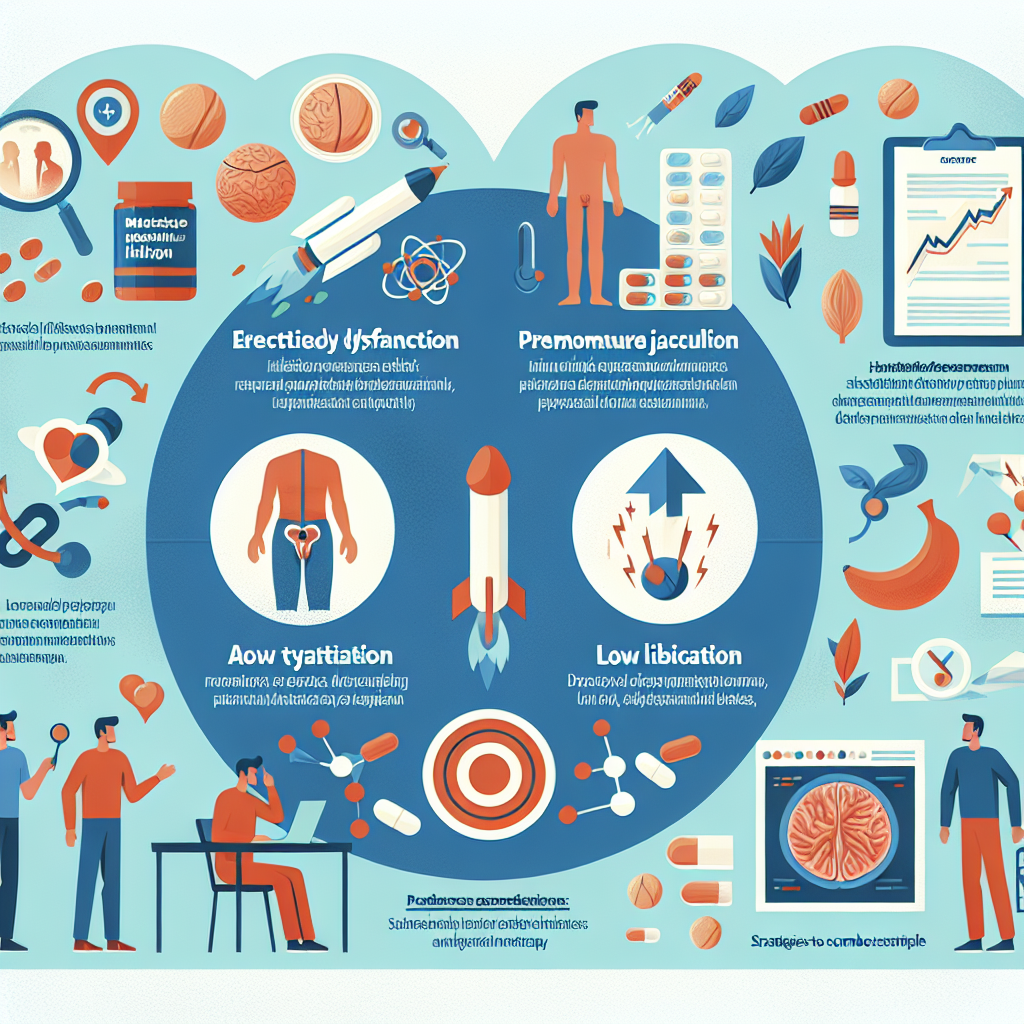
Men can experience a variety of sexual problems that can affect their physical and emotional well-being. These issues can range from erectile dysfunction and premature ejaculation to low libido and performance anxiety. It is important for men to understand these problems and seek appropriate help in order to maintain a healthy and fulfilling sex life. In this introduction, we will explore some of the common sexual problems that men may face and discuss the importance of addressing them.
Understanding the Causes and Treatment Options for Erectile Dysfunction in Men
Erectile dysfunction (ED) is a common sexual problem that affects many men. It is defined as the inability to achieve or maintain an erection sufficient for sexual intercourse. While it is a prevalent issue, many men feel embarrassed or ashamed to talk about it, leading to a lack of understanding and awareness about the causes and treatment options for ED.
The causes of ED can be both physical and psychological. Physical causes include underlying health conditions such as diabetes, high blood pressure, heart disease, and obesity. These conditions can affect the blood flow to the penis, making it difficult to achieve an erection. Other physical causes include hormonal imbalances, nerve damage, and side effects of certain medications.
On the other hand, psychological causes of ED can include stress, anxiety, depression, and relationship problems. These factors can affect a man’s ability to become sexually aroused and can lead to performance anxiety, making it difficult to maintain an erection.
It is essential to understand the underlying cause of ED to determine the appropriate treatment. In some cases, treating the underlying health condition can help improve erectile function. For example, managing diabetes or high blood pressure can improve blood flow and nerve function, leading to better erections.
In cases where the cause is psychological, therapy or counseling can be beneficial. Talking to a therapist can help address any underlying issues that may be contributing to ED, such as stress or relationship problems. Additionally, learning relaxation techniques and practicing mindfulness can also help reduce anxiety and improve sexual function.
For men who do not respond to these treatments, there are several medical options available. The most common treatment for ED is oral medication, such as Viagra, Cialis, and Levitra. These medications work by increasing blood flow to the penis, making it easier to achieve and maintain an erection. However, they do not address the underlying cause of ED and may have side effects, so it is essential to consult with a doctor before taking them.
Another treatment option is penile injections, where a medication is injected directly into the penis to stimulate an erection. This method is effective for men who do not respond to oral medication or cannot take it due to underlying health conditions. However, it can be uncomfortable and may cause side effects such as pain or scarring.
For men with severe ED, a penile implant may be an option. This involves surgically placing a device in the penis that can be inflated to create an erection. While it is a more invasive option, it can provide a long-term solution for men who do not respond to other treatments.
Aside from medical treatments, there are also lifestyle changes that can help improve erectile function. Regular exercise, maintaining a healthy weight, and quitting smoking can all contribute to better blood flow and overall sexual health. Additionally, reducing stress and improving communication with a partner can also help improve sexual function.
In conclusion, erectile dysfunction is a common sexual problem that can have physical and psychological causes. It is essential to understand the underlying cause to determine the appropriate treatment. While there are medical options available, lifestyle changes and therapy can also be beneficial. It is crucial for men to seek help and not feel ashamed or embarrassed about discussing their sexual health with a doctor. With the right treatment, ED can be effectively managed, allowing men to enjoy a fulfilling sex life.
The Impact of Pornography on Male Sexual Health and Relationships

Pornography has become increasingly accessible in today’s society, with the rise of the internet and the widespread use of smartphones. While it may seem harmless and even entertaining to some, the impact of pornography on male sexual health and relationships is a topic that is often overlooked.
One of the main concerns surrounding pornography is its potential to create unrealistic expectations and standards for male sexual performance. Many pornographic films depict exaggerated and often unrealistic sexual acts, leading men to believe that they must perform in a certain way to be considered “good” in bed. This can create feelings of inadequacy and pressure to live up to these unrealistic expectations, causing anxiety and performance issues in the bedroom.
Moreover, the constant exposure to pornography can also desensitize men to sexual stimuli, making it difficult for them to become aroused in real-life sexual situations. This can lead to a decrease in sexual desire and satisfaction, as well as difficulties in maintaining an erection. In fact, a study published in the Journal of Sexual Medicine found that frequent pornography use was associated with lower sexual desire and erectile dysfunction in men.
In addition to its impact on sexual performance, pornography can also have a detrimental effect on relationships. The unrealistic and often degrading portrayal of women in pornography can lead to objectification and a distorted view of women in the minds of men. This can result in difficulties in forming and maintaining healthy and respectful relationships with women.
Furthermore, pornography can also lead to infidelity and trust issues in relationships. With the easy access to a variety of pornographic content, some men may turn to pornography as a substitute for real-life sexual experiences, leading to a breakdown in intimacy and emotional connection with their partners. This can also create feelings of betrayal and insecurity in their partners, causing strain and conflict in the relationship.
The impact of pornography on male sexual health and relationships is not limited to just the individual or the couple, but it can also have wider societal implications. The normalization of pornography in society can perpetuate harmful attitudes and behaviors towards women, contributing to the objectification and sexualization of women in our culture. This can also lead to a distorted view of healthy and consensual sexual relationships, especially for younger generations who are exposed to pornography at a young age.
It is important to note that not all men who watch pornography will experience these negative effects. However, it is crucial to recognize the potential harm that pornography can have on male sexual health and relationships and to take steps towards addressing this issue.
One way to address this issue is through education and open communication. It is important for individuals and couples to have honest and open discussions about pornography and its potential impact on their sexual health and relationships. This can help to create a better understanding of each other’s perspectives and boundaries, and to establish healthy and respectful sexual behaviors.
Moreover, seeking professional help and therapy can also be beneficial for those who are struggling with pornography addiction or its negative effects on their sexual health and relationships. Therapists can provide a safe and non-judgmental space for individuals to explore their thoughts and behaviors surrounding pornography and to develop healthier coping mechanisms.
In conclusion, the impact of pornography on male sexual health and relationships is a complex and multifaceted issue. It is important for individuals, couples, and society as a whole to recognize and address the potential harm that pornography can have on individuals and relationships. By promoting education, open communication, and seeking professional help when needed, we can work towards creating a healthier and more respectful attitude towards sexuality and relationships.
Breaking the Stigma: Addressing Mental Health and Sexual Dysfunction in Men
Sexual problems are a common issue that affects many men, yet it is often a topic that is shrouded in stigma and shame. Men are often expected to be strong, virile, and always ready for sexual activity, which can make it difficult for them to open up about any struggles they may be facing in the bedroom. However, it is important to break this stigma and address the mental health and sexual dysfunction that many men experience.
One of the most common sexual problems that men face is erectile dysfunction (ED). This is the inability to achieve or maintain an erection that is firm enough for sexual intercourse. ED can be caused by a variety of factors, including physical conditions such as diabetes, heart disease, and high blood pressure, as well as psychological factors such as stress, anxiety, and depression.
The link between mental health and sexual dysfunction in men is often overlooked, but it is a crucial aspect to consider. Many men who experience sexual problems also struggle with mental health issues, and the two can often be intertwined. For example, a man who is dealing with depression may also experience a decrease in libido and difficulty achieving or maintaining an erection. This can create a vicious cycle, as the sexual problems can further exacerbate the mental health issues.
It is important for men to understand that experiencing sexual problems does not make them any less of a man. It is a common issue that can affect anyone, regardless of age or background. Seeking help and addressing these problems is a sign of strength, not weakness. However, the stigma surrounding men’s sexual health can make it difficult for them to seek the help they need.
One way to break this stigma is by having open and honest conversations about sexual health and mental health. Men need to feel comfortable talking about their struggles without fear of judgment or ridicule. This can be achieved by creating safe spaces where men can share their experiences and seek support from others who may be going through similar challenges.
Another important aspect to consider is the role of healthcare professionals in addressing men’s sexual problems. Many men may feel embarrassed or ashamed to discuss these issues with their doctors, but it is crucial for healthcare providers to create a non-judgmental and understanding environment for their male patients. This can help men feel more comfortable seeking help and discussing their concerns.
In addition to seeking professional help, there are also lifestyle changes that men can make to improve their sexual health. Regular exercise, a healthy diet, and managing stress can all have a positive impact on sexual function. It is also important for men to communicate openly with their partners about their sexual needs and desires. This can help create a stronger and more fulfilling sexual relationship.
It is also worth noting that sexual problems can have a significant impact on a man’s overall well-being. It can lead to feelings of inadequacy, low self-esteem, and even depression. Therefore, it is crucial for men to address these issues and seek help when needed. Ignoring sexual problems can have a detrimental effect on both mental and physical health.
In conclusion, it is time to break the stigma surrounding men’s sexual health and address the mental health and sexual dysfunction that many men experience. By having open and honest conversations, creating safe spaces, and seeking professional help, men can overcome these challenges and improve their overall well-being. It is important for men to understand that seeking help is a sign of strength, and they should not be afraid to reach out for support. Let us work towards creating a society where men can openly discuss their sexual health without fear of judgment or shame.
Leave a Reply